
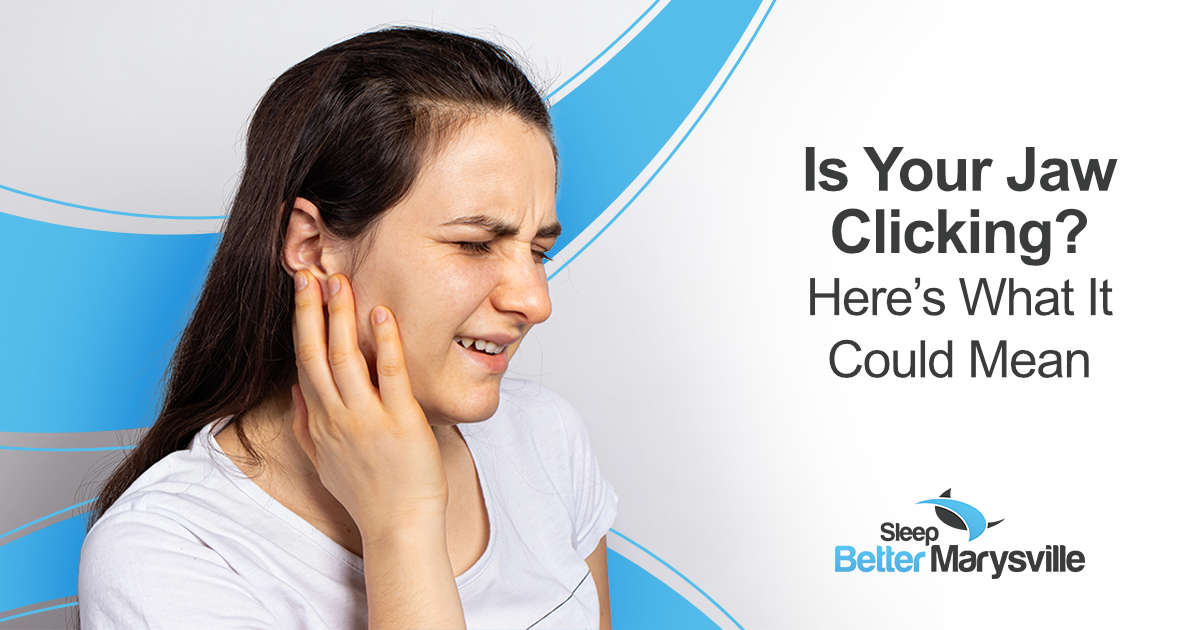
Many people notice jaw clicking or popping when they chew, yawn, speak, or open their mouths wide. In many cases, these sounds are occasional and occur without discomfort. However, persistent jaw noises, especially when accompanied by pain, stiffness, or limited movement, may indicate an underlying issue involving the temporomandibular joint (TMJ). Understanding what causes these sounds and recognizing when they warrant professional evaluation can help protect long-term jaw function and overall quality of life.
The temporomandibular joints connect the lower jaw to the skull and allow smooth movement during everyday activities like eating, speaking, and yawning. When these joints or the surrounding muscles become irritated or do not move properly, individuals may experience TMJ jaw clicking, jaw popping, or other symptoms that affect comfort and function. Learning about the possible causes, associated symptoms, and conservative treatment options can help determine when professional care may be beneficial.
What Does Jaw Clicking Mean?
Jaw clicking occurs when structures inside the temporomandibular joint move differently than they normally should. While an occasional click without pain is not always a cause for concern, recurring noises may signal changes within the joint or surrounding muscles that deserve attention.
How the Temporomandibular Joint (TMJ) Works
The temporomandibular joint is one of the body’s most frequently used joints. Located on each side of the face just in front of the ears, it connects the lower jaw, or mandible, to the skull. The TMJ allows the jaw to move up and down, side to side, and forward and backward, making it possible to chew, speak, yawn, and swallow.
Inside each joint is a small cartilage disc that cushions the bones and helps them glide smoothly during movement. Ligaments stabilize the joint while surrounding muscles coordinate jaw function. When these structures work together properly, jaw movement is typically smooth and quiet.
Why Jaw Clicking and Jaw Popping Happen
Jaw clicking or jaw popping often occurs when the cartilage disc shifts slightly during movement or when the joint surfaces no longer glide smoothly. Muscle tension, inflammation, and changes in the surrounding tissues may also contribute to joint noises.
Occasional jaw popping when chewing or opening the mouth without pain is not uncommon and does not always indicate a serious condition. However, persistent or worsening noises accompanied by discomfort, stiffness, or reduced mobility may suggest an underlying temporomandibular joint disorder that should be evaluated.
Is Jaw Clicking Always a Sign of TMJ Disorder?
Not necessarily. Some individuals experience occasional jaw clicking throughout their lives without developing significant symptoms or requiring treatment. Minor variations in joint movement can sometimes produce harmless sounds that do not interfere with normal function.
However, jaw clicking that becomes more frequent, is accompanied by pain, or limits normal jaw movement may indicate that the temporomandibular joint is under increased stress. When symptoms begin affecting eating, speaking, or daily comfort, a professional TMJ evaluation can help determine whether treatment is appropriate.
Common Causes of Jaw Clicking and Jaw Popping
Several conditions can contribute to recurring jaw clicking. Identifying the underlying cause is an important step toward selecting the most appropriate treatment approach.
Disc Displacement Inside the Jaw Joint
One of the most common causes of a clicking jaw joint is displacement of the cartilage disc inside the TMJ. When the disc moves out of its normal position, it may produce a clicking or popping sound as the jaw opens and closes.
Some individuals experience little discomfort initially, while others gradually develop jaw pain, stiffness, or difficulty moving the jaw. If symptoms continue or worsen over time, professional evaluation can determine whether conservative jaw popping treatment may help improve joint function.
Teeth Grinding, Jaw Clenching, and Muscle Tension
Excessive muscle tension places additional pressure on the jaw joints and surrounding tissues. Common contributing factors include:
- Teeth grinding during sleep (bruxism)
- Daytime jaw clenching
- Emotional stress
- Muscle fatigue from excessive chewing
- Frequent gum chewing
Over time, these habits may contribute to jaw clicking, muscle soreness, and increased stress on the TMJ.
Arthritis, Inflammation, and Joint Wear
Inflammatory conditions can also affect the temporomandibular joint. Osteoarthritis and other forms of joint inflammation may gradually wear down protective cartilage, making jaw movement less smooth.
Inflammation inside the TMJ can lead to:
- Joint tenderness
- Increased jaw noises
- Stiffness
- Reduced mobility
- Discomfort during chewing
Age-related joint changes may also contribute to these symptoms in some individuals.
Symptoms That May Accompany Jaw Clicking
Jaw clicking often occurs alongside other symptoms that can indicate the temporomandibular joint is not functioning normally.
Jaw Pain and Facial Discomfort
Persistent jaw clicking may be accompanied by pain around the jaw joint, cheeks, temples, or ears. Some individuals notice discomfort while chewing, talking, or yawning, while others experience tenderness when touching the jaw muscles.
Because the TMJ shares muscles and nerves with nearby structures, discomfort may also radiate into the neck or around the ears.
Jaw Stiffness and Limited Jaw Movement
TMJ disorders may cause the jaw to feel stiff, particularly after waking or following prolonged chewing. Some individuals notice difficulty opening their mouths fully or experience reduced jaw mobility during daily activities.
Common symptoms include:
- Morning jaw stiffness
- Difficulty opening the mouth
- Difficulty closing the jaw comfortably
- Reduced range of motion
- Discomfort while eating
Headaches, Jaw Locking, and Popping Sounds
TMJ dysfunction may also be associated with frequent headaches, especially around the temples. Some individuals experience episodes where the jaw locks or catches during movement, making it difficult to fully open or close the mouth comfortably.
Additional symptoms may include:
- Repeated clicking sounds
- Loud jaw popping
- Jaw locking
- Catching during movement
- Facial muscle fatigue
When these symptoms occur together, they may suggest dysfunction involving the temporomandibular joint and should be professionally evaluated.
When Jaw Clicking Should Be Evaluated
While occasional jaw clicking without discomfort may not require treatment, persistent symptoms should not be ignored.
Signs That Jaw Clicking May Indicate TMJ Disorder
Professional evaluation may be appropriate when jaw clicking is accompanied by:
- Persistent jaw pain
- Recurring headaches
- Jaw locking
- Increasing stiffness
- Limited jaw movement
- Difficulty chewing
- Worsening popping sounds
- Facial tenderness
These symptoms may indicate that the joint or surrounding muscles require further assessment.
Why Early TMJ Evaluation Matters
Early evaluation allows healthcare providers to identify the underlying cause before symptoms become more severe. Because several conditions can produce similar symptoms, obtaining an accurate diagnosis is important before beginning treatment.
Prompt evaluation may help:
- Identify contributing factors
- Improve jaw function
- Reduce discomfort
- Protect joint health
- Minimize progression of TMJ-related problems.
Conservative Jaw Popping Treatment Options
Many individuals experiencing jaw clicking improve with conservative, non-surgical therapies designed to reduce stress on the temporomandibular joint and support healthy jaw function.
Oral Appliance Therapy for TMJ Jaw Clicking
Custom oral appliances are commonly recommended for individuals whose symptoms are associated with nighttime grinding or jaw clenching. These appliances are designed to:
- Reduce pressure on the jaw joints.
- Minimize teeth grinding
- Support more comfortable jaw positioning.
- Protect teeth from excessive wear.
For many patients, oral appliance therapy may help reduce TMJ jaw clicking while improving overall comfort during daily activities.
Lifestyle Changes That May Reduce Jaw Clicking
Simple lifestyle modifications can also help decrease stress placed on the jaw joints.
Helpful strategies include:
- Avoiding hard or chewy foods during flare-ups
- Limiting gum chewing
- Practicing stress management techniques
- Improving posture
- Performing gentle jaw exercises as recommended by a healthcare professional
These habits may help reduce muscle tension while supporting healthy jaw movement.
Additional Non-Surgical TMJ Treatments
Depending on the underlying cause, providers may recommend additional conservative treatments as part of an individualized care plan.
These may include:
- Physical therapy
- Heat or cold therapy
- Anti-inflammatory medications when appropriate
- Activity modifications
- Personalized treatment recommendations based on examination findings
Treatment plans vary because every individual’s symptoms and contributing factors are different.
Schedule a TMJ Evaluation at Sleep Better Marysville
Persistent jaw clicking, jaw pain, jaw popping, stiffness, or other TMJ symptoms should not be ignored, especially when they interfere with eating, speaking, or daily comfort. A comprehensive evaluation can help identify the underlying cause and determine whether conservative treatment may improve jaw function and reduce discomfort.
To learn more about available treatment options, visit the TMJ Treatment page and schedule a professional evaluation with Sleep Better Marysville.
 //Simplify chat widget