
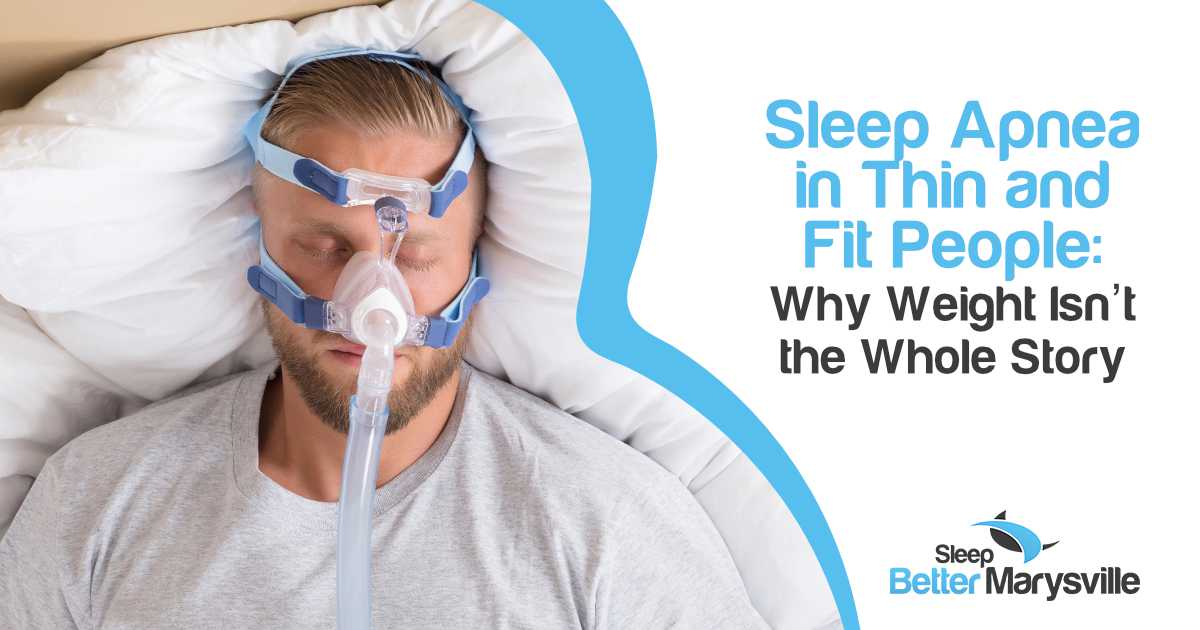
Many people assume that obstructive sleep apnea only affects individuals who are overweight, but that belief is not accurate. While excess weight is a well-known risk factor, sleep apnea in thin people is more common than many realize because several other factors can contribute to airway obstruction during sleep. Understanding why this condition develops regardless of body size can help more people recognize symptoms early and seek appropriate care before long-term health problems arise.
People who maintain a healthy weight, exercise regularly, and prioritize their wellness often believe they are protected from sleep disorders. Unfortunately, obstructive sleep apnea (OSA) can affect thin and fit individuals due to anatomical, genetic, and physiological characteristics that have little to do with body fat. Learning about these lesser-known risk factors helps ensure that anyone experiencing symptoms receives the comprehensive sleep evaluation and personalized treatment they need.
Understanding Sleep Apnea in Thin People
Why Obstructive Sleep Apnea Isn’t Only Caused by Excess Weight
Obstructive sleep apnea occurs when the muscles surrounding the upper airway relax during sleep, allowing the airway to become partially or completely blocked. These repeated breathing interruptions reduce oxygen levels, disrupt normal sleep cycles, and prevent restorative rest throughout the night. Although obesity increases the likelihood of airway collapse, it is only one of many sleep apnea risk factors.
Sleep apnea in thin people develops because airway obstruction can result from structural and functional issues that are unrelated to body weight. Individuals with a healthy body mass index (BMI) may experience the same repeated breathing pauses as someone carrying excess weight. This explains why maintaining a healthy lifestyle does not completely eliminate the possibility of developing obstructive sleep apnea.
The Difference Between Weight-Related and Anatomical Sleep Apnea
Weight-related sleep apnea often develops when excess fatty tissue around the neck narrows the airway during sleep. However, many thin people with sleep apnea experience airway collapse because of inherited anatomical features rather than excess body fat. These structural differences may exist throughout life without becoming noticeable until symptoms begin affecting sleep quality.
Normal weight sleep apnea frequently results from the shape and size of the airway instead of overall body composition. As throat muscles naturally relax during sleep, even a relatively small narrowing can significantly reduce airflow. This means healthy individuals may develop sleep-disordered breathing despite maintaining excellent physical fitness and overall health.
Sleep Apnea Risk Factors Beyond Body Weight
Airway Anatomy and Facial Structure
Airway anatomy plays a significant role in determining whether someone develops obstructive sleep apnea. Certain structural characteristics can reduce the amount of space available for airflow while sleeping, making airway collapse more likely even in lean individuals. These differences often explain why sleep apnea in fit people occurs despite maintaining a healthy weight.
Common anatomical factors include:
- A naturally narrow airway
- A small or recessed jaw (retrognathia)
- A high-arched palate
- Enlarged tonsils
- A relatively large tongue
- An elongated soft palate
Each anatomical feature affects airflow differently during sleep. A small or recessed jaw may leave less room for the tongue, increasing the chance that it will move backward and narrow the airway, while enlarged tonsils or a high-arched palate can further reduce the available space for normal breathing. These structural characteristics often explain why healthy-weight individuals experience obstructive sleep apnea despite having no excess body fat.
Each of these features may reduce airway stability during sleep, increasing the likelihood of breathing interruptions. Many people inherit these characteristics without realizing they place them at greater risk for obstructive sleep apnea. Because anatomy varies from person to person, body weight alone cannot accurately predict who will develop the condition.
Genetics, Muscle Tone, and Other Sleep Apnea Risk Factors
Family history also contributes to sleep apnea risk factors. Individuals whose close relatives have obstructive sleep apnea may inherit similar facial structures or airway characteristics that increase susceptibility. Genetics can therefore influence sleep-disordered breathing even among healthy, physically active adults.
Muscle function within the airway also plays an important role during sleep. As the body enters deeper stages of sleep, throat muscles naturally relax, and some individuals experience greater airway collapse than others. Neurological factors, nasal obstruction, chronic allergies, and certain sleeping positions may further increase the likelihood of interrupted breathing regardless of body size.
Why Sleep Apnea in Fit People Often Goes Undiagnosed
Common Misconceptions About Sleep Apnea and Healthy Weight
One of the biggest misconceptions surrounding obstructive sleep apnea is that only overweight individuals develop the condition. Because this belief remains widespread, many thin or athletic people dismiss symptoms instead of seeking medical evaluation. Unfortunately, delayed diagnosis allows untreated sleep apnea to continue affecting overall health.
Healthcare providers may also initially associate sleep apnea more strongly with obesity than with healthy-weight individuals. Although this assumption is changing as awareness grows, body mass index should never be the sole factor used to determine who should receive a sleep evaluation. Symptoms and airway characteristics provide much more meaningful information than weight alone.
Why Athletes and Active Adults May Ignore Symptoms
Physically active adults often attribute excessive fatigue to demanding workouts or busy schedules rather than disrupted sleep. Competitive athletes may believe reduced performance simply reflects harder training instead of recognizing an underlying sleep disorder. This can postpone diagnosis for months or even years.
Snoring despite healthy weight is another symptom that people frequently dismiss. Many assume occasional snoring is harmless if they exercise regularly and eat well. However, persistent snoring combined with daytime fatigue or witnessed breathing pauses deserves professional evaluation regardless of physical fitness.
Common Myths About Sleep Apnea and Weight
Being Thin Doesn’t Eliminate Sleep Apnea Risk
Many people believe that maintaining a healthy weight completely protects them from obstructive sleep apnea, but this misconception can delay diagnosis and treatment. While obesity increases the likelihood of airway obstruction, many thin and fit individuals develop sleep apnea because of anatomical, genetic, or physiological factors that are unrelated to body fat. Recognizing that sleep apnea can affect people of all body types encourages earlier evaluation when symptoms appear.
Some individuals also assume that regular exercise eliminates the possibility of developing sleep apnea. Although physical fitness supports overall health, it does not change inherited airway anatomy or prevent the throat muscles from relaxing during sleep. Paying attention to symptoms rather than body weight helps ensure that sleep apnea is identified before it leads to long-term health complications.
Symptoms of Sleep Apnea in Thin and Fit People
Classic Sleep Apnea Symptoms
The symptoms experienced by thin people with sleep apnea are generally the same as those seen in overweight individuals. The difference is that these warning signs are often overlooked because they seem inconsistent with a healthy lifestyle. Recognizing these symptoms early can lead to faster diagnosis and treatment.
Common sleep apnea symptoms include:
- Loud or frequent snoring
- Gasping or choking during sleep
- Witnessed pauses in breathing
- Morning headaches
- Dry mouth upon waking
- Excessive daytime sleepiness
These symptoms indicate that breathing may be repeatedly interrupted throughout the night. Even if they occur gradually, they should never be ignored simply because someone appears healthy and physically fit.
Less Obvious Symptoms in Thin People
Some individuals experience symptoms that seem unrelated to sleep apnea. Poor concentration, brain fog, mood changes, irritability, and decreased productivity often develop because fragmented sleep prevents the brain from obtaining adequate restorative rest. These issues may become more noticeable during work, school, or daily activities.
Athletic people may also notice slower workout recovery, declining endurance, or reduced exercise performance. Others wake frequently throughout the night without understanding why they still feel exhausted every morning. When these subtle symptoms persist, a professional sleep evaluation can help determine whether sleep apnea is contributing to the problem.
Although these symptoms may vary in severity, they should not be ignored simply because someone appears healthy or physically fit. Fatigue, poor concentration, and disrupted sleep can result from many different conditions, making a comprehensive sleep evaluation essential for determining whether obstructive sleep apnea is the underlying cause. Proper testing provides clear answers and helps guide the most appropriate treatment plan.
Diagnosing Sleep Apnea in Thin People
Why a Comprehensive Sleep Evaluation Matters
Diagnosing obstructive sleep apnea requires much more than reviewing a patient’s weight or body mass index. A comprehensive sleep evaluation considers symptoms, medical history, sleep habits, airway anatomy, and physical examination findings to identify potential causes of sleep-disordered breathing. This individualized approach helps ensure patients receive an accurate diagnosis regardless of body type.
Individuals experiencing persistent fatigue, loud snoring, or witnessed breathing interruptions should discuss these concerns with a qualified provider. Early diagnosis helps reduce the risk of complications while improving quality of life. It also allows treatment to begin before symptoms become more severe.
Home Sleep Testing and In-Lab Sleep Studies
Depending on a patient’s symptoms and medical history, providers may recommend either home sleep apnea testing or an overnight sleep study known as polysomnography. These diagnostic tools measure breathing patterns, oxygen levels, sleep stages, and interruptions that occur during sleep. The results help determine whether obstructive sleep apnea is present and how severe it may be.
Airway evaluation also helps identify anatomical factors contributing to breathing difficulties. Understanding the underlying cause allows providers to recommend the most appropriate treatment instead of relying on assumptions based solely on weight. This personalized approach benefits both thin and overweight patients alike.
Treatment Options for Sleep Apnea in Thin People
Oral Appliance Therapy for Eligible Patients
Many patients with mild to moderate obstructive sleep apnea benefit from oral appliance therapy. These custom-made appliances gently reposition the lower jaw and tongue to help maintain an open airway throughout the night. Because they are comfortable, portable, and individually fitted, many patients prefer them over other treatment methods.
Oral appliance therapy is particularly effective for patients whose airway obstruction is primarily related to anatomical structure rather than excess weight. Treatment focuses on improving airflow instead of changing body composition. This personalized approach allows many thin and fit individuals to sleep more comfortably while reducing sleep apnea symptoms.
Other Personalized Sleep Apnea Treatments
Some patients may require continuous positive airway pressure (CPAP) therapy depending on the severity of their obstructive sleep apnea. Others benefit from positional therapy, management of nasal obstruction, or lifestyle adjustments that improve nighttime breathing. The most appropriate treatment depends on each individual’s unique airway characteristics and diagnostic findings.
Rather than applying the same treatment to every patient, providers develop personalized care plans that address the underlying cause of airway obstruction. Patients interested in learning more about available sleep apnea treatment options can discuss individualized recommendations during a comprehensive evaluation. Successful therapy is based on accurate diagnosis rather than body weight alone.
Why Early Treatment Improves Long-Term Health
Benefits of Treating Sleep Apnea Regardless of Weight
Treating obstructive sleep apnea offers meaningful health benefits for people of every body type. Restoring healthy breathing during sleep improves sleep quality, daytime alertness, memory, mood, and overall cognitive performance. Many patients also experience greater energy throughout the day and improved productivity after beginning treatment.
Early treatment may also reduce the long-term health risks associated with untreated sleep apnea, including cardiovascular complications and chronic daytime fatigue. For active individuals, better sleep can support improved exercise recovery, physical performance, and overall wellness. Addressing symptoms promptly helps protect both immediate quality of life and long-term health.
For physically active individuals, treating sleep apnea may also support improved exercise recovery, greater endurance, and more consistent energy throughout the day. Better-quality sleep allows the body to recover more efficiently after physical activity while improving mental focus and reaction time during work, exercise, and everyday responsibilities. These improvements demonstrate that effective sleep apnea treatment benefits overall wellness, regardless of a person’s weight or fitness level.
Schedule a Sleep Apnea Consultation at Sleep Better Marysville
Being thin or physically fit does not eliminate the possibility of obstructive sleep apnea. If persistent snoring, daytime fatigue, morning headaches, or interrupted sleep continue despite maintaining a healthy lifestyle, don’t ignore these warning signs. Schedule your consultation with Sleep Better Marysville to receive a comprehensive sleep evaluation and learn whether oral appliance therapy or another personalized treatment is appropriate for your needs.
 //Simplify chat widget