
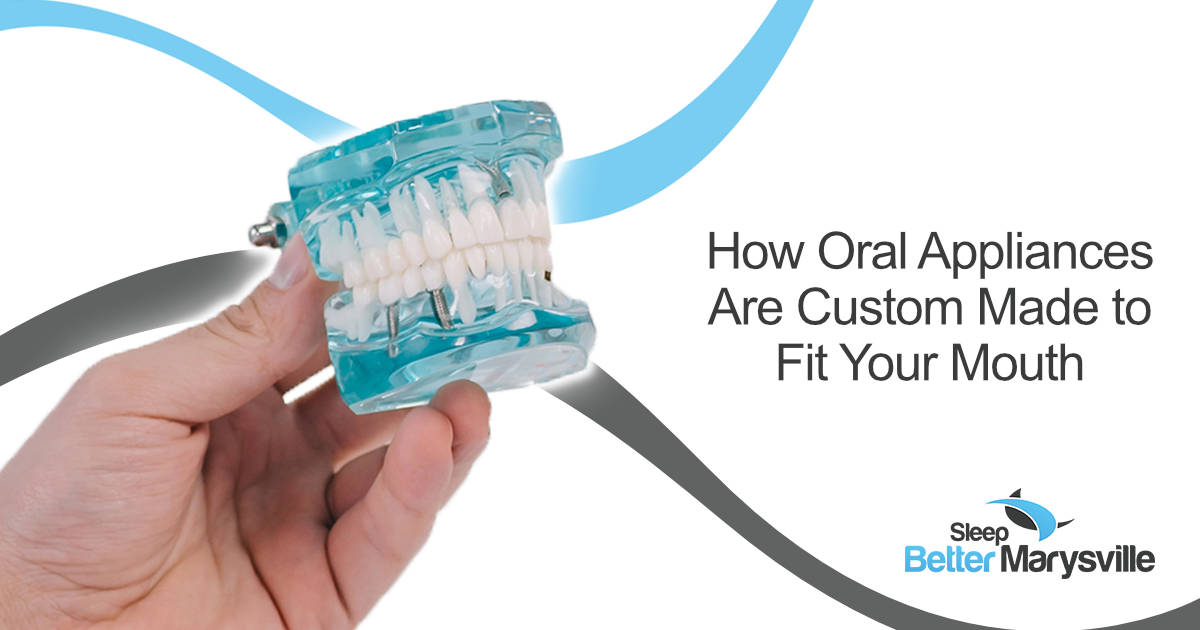
For individuals with obstructive sleep apnea (OSA) or chronic snoring, a custom oral appliance offers a comfortable and effective alternative to continuous positive airway pressure (CPAP) therapy. Unlike over-the-counter mouthpieces, a custom oral appliance is designed specifically for each patient’s teeth, jaw alignment, and airway needs to provide a secure fit and consistent treatment results. Understanding the oral appliance fitting process helps patients know what to expect and why a personalized approach contributes to long-term treatment success.
A custom sleep apnea oral appliance is carefully fabricated using detailed measurements and advanced dental technology rather than a one-size-fits-all design. Every step, from the initial consultation through follow-up adjustments, is intended to maximize comfort while helping maintain an open airway during sleep. By following a structured fitting process, providers can deliver an appliance that supports both effective therapy and long-term patient compliance.
Why a Custom Oral Appliance Is Different From Over-the-Counter Devices
Many over-the-counter mouthpieces are marketed as solutions for snoring, but they are not designed to address each person’s unique dental anatomy or sleep-related breathing disorder. These generic devices typically rely on a boil-and-bite process that provides only a basic fit and may not position the jaw accurately enough to improve airway function. As a result, they may be less comfortable and less effective for treating obstructive sleep apnea.
A custom oral appliance is created specifically for the patient’s mouth after a comprehensive evaluation by a qualified sleep dentist. Precise measurements allow the appliance to fit securely while gently positioning the lower jaw to help reduce airway obstruction during sleep. This personalized approach improves comfort, minimizes unnecessary pressure on the teeth and jaw, and encourages consistent nightly use.
Because every patient’s oral anatomy is different, personalization plays an important role in treatment success. A properly fitted custom sleep apnea oral appliance can provide a more predictable fit, improved stability, and better long-term effectiveness than a non-custom device. Patients also benefit from professional monitoring and adjustments that cannot be achieved with over-the-counter products.
Understanding the Oral Appliance Fitting Process
Receiving a custom oral appliance involves several carefully planned steps that ensure the final device fits comfortably and functions effectively. Each stage builds on the previous one, allowing the provider to gather accurate information about the patient’s teeth, bite, jaw position, and airway needs. Although the process typically spans several weeks, it is designed to deliver a personalized treatment solution that supports better sleep.
The oral appliance fitting process begins with a comprehensive evaluation and continues through digital scanning, appliance fabrication, custom fitting, and follow-up care. Throughout each appointment, the provider focuses on creating an appliance that balances comfort with effective airway support. This individualized process helps maximize treatment outcomes while reducing the likelihood of discomfort or poor appliance fit.
Step 1: Oral Examination and Treatment Planning
The first appointment focuses on determining whether oral appliance therapy is an appropriate treatment option for the patient. The provider reviews the patient’s medical history, sleep history, and any previous sleep apnea diagnosis before performing a comprehensive examination of the mouth, teeth, gums, jaw, and airway. This evaluation provides the foundation for developing an individualized treatment plan.
Patients who have not yet received a formal diagnosis of obstructive sleep apnea may be referred for a sleep study before treatment begins. The results help determine the severity of the condition and whether oral appliance therapy is likely to provide effective treatment. Once candidacy is confirmed, the provider explains how the appliance works and outlines each stage of the fitting process.
During this visit, patients also have an opportunity to ask questions about treatment expectations, comfort, maintenance, and the anticipated timeline. Understanding each step helps reduce uncertainty and allows patients to make informed decisions about their care. Establishing realistic expectations early contributes to greater confidence throughout treatment.
Some of the factors evaluated during the initial consultation include:
- Overall dental health and stability
- Jaw function and bite alignment
- Existing sleep apnea diagnosis
- History of snoring or sleep-related breathing concerns
- Suitability for oral appliance therapy
Step 2: Digital Scans or Dental Impressions
Once treatment planning is complete, detailed records of the patient’s mouth are collected to begin creating the appliance. Accurate measurements are essential because even small differences in tooth position or jaw alignment can influence the comfort and effectiveness of the finished device. Modern dental technology allows providers to capture these details with exceptional precision.
Many dental practices now use a digital intraoral scanner to create highly detailed three-dimensional images of the teeth and gums. This technology eliminates the need for many traditional impression materials while providing fast, accurate digital models that can be sent directly to a dental laboratory. Patients often find digital scanning more comfortable because it avoids bulky impression trays and reduces gagging.
Traditional dental impressions may still be used when appropriate and remain an effective method of recording the patient’s oral anatomy. During this process, impression material is placed into trays that capture precise molds of the upper and lower teeth. Whether digital scans or traditional impressions are used, the objective remains the same: producing an accurate foundation for a custom oral appliance.
The provider also evaluates how the upper and lower teeth fit together while collecting these records. This information becomes especially important during the next stage of the oral appliance fitting process, when the exact jaw position is recorded. Careful attention to these measurements helps ensure the finished appliance supports both comfort and effective airway management.
Accurate digital scans and dental impressions contribute to several important treatment benefits:
- Improved appliance accuracy
- Enhanced patient comfort
- Better appliance retention
- Reduced need for future adjustments
- More predictable treatment outcomes
By capturing precise digital models and detailed dental impressions, the provider gives the laboratory everything needed to fabricate a custom sleep apnea oral appliance tailored to the patient’s unique anatomy. These records serve as the blueprint for every stage of the manufacturing process, helping ensure the finished appliance fits comfortably and performs as intended. Investing time in accurate measurements at this stage supports long-term treatment success.
Step 3: Bite Registration for Precise Jaw Position
After the digital scans or dental impressions are complete, the provider records the patient’s bite registration to determine how the upper and lower teeth come together. This step is essential because a custom sleep apnea oral appliance must position the lower jaw correctly to help maintain an open airway without creating unnecessary pressure on the jaw joints. Accurate bite registration ensures the appliance is both comfortable and effective during nightly use.
The provider uses specialized tools to identify the ideal forward position of the lower jaw, also known as the mandible. Advancing the jaw slightly helps reduce airway collapse by creating more space for airflow while sleeping. Every measurement is customized to the individual, ensuring the appliance supports breathing without compromising comfort.
Even a small variation in jaw position can affect how well the appliance performs. If the jaw is advanced too little, the airway may not remain open throughout the night, while advancing it too far may cause jaw soreness or muscle fatigue. Recording the correct bite relationship allows the dental laboratory to fabricate an appliance that balances effectiveness with long-term comfort.
Because every patient’s anatomy is unique, bite registration is never a one-size-fits-all process. The provider carefully evaluates the patient’s bite, jaw movement, and overall oral health before determining the optimal positioning. These detailed measurements become an important part of the blueprint used to manufacture the appliance.
Step 4: Fabrication of the Custom Oral Appliance
Once the digital records and bite registration are complete, the information is securely transmitted to a specialized dental laboratory. Skilled technicians use the collected data to fabricate a custom oral appliance designed specifically for the patient’s teeth, bite, and jaw alignment. Every appliance is individually manufactured rather than mass-produced, ensuring a personalized fit.
The laboratory uses durable, medical-grade materials that are designed for long-term nightly wear. These materials provide strength while remaining lightweight and comfortable, allowing the appliance to support the lower jaw throughout sleep without causing unnecessary irritation. High-quality construction also helps the appliance withstand years of regular use with proper care.
During fabrication, technicians carefully verify that every component matches the patient’s digital records and prescribed jaw position. Quality control measures help ensure the appliance meets strict standards before it is returned to the provider for delivery. This attention to detail contributes to a more precise fit and fewer adjustments after delivery.
Most patients receive their appliance within approximately two to three weeks, although production times may vary depending on the laboratory and the specific appliance selected. During this waiting period, patients can prepare for their fitting appointment and discuss any remaining questions with their provider. Once fabrication is complete, the appliance is shipped back to the dental office for final evaluation and fitting.
Step 5: Custom Oral Appliance Delivery and Final Fitting
When the appliance arrives, patients return to the office for a fitting appointment to ensure everything functions as intended. The provider checks how the appliance fits over the teeth, evaluates the patient’s bite, and confirms that the lower jaw is positioned correctly for treatment. This appointment helps verify that the appliance delivers both comfort and effective airway support.
Minor adjustments may be made during the fitting visit to improve comfort or eliminate pressure points. Because every patient’s mouth responds differently, small refinements are common and help create a more personalized fit. These adjustments can significantly improve the patient’s experience during the first few weeks of treatment.
Patients also receive detailed instructions on how to insert and remove the appliance safely. The provider explains proper cleaning techniques, storage recommendations, and daily maintenance practices that help preserve the appliance’s condition. Learning these care routines early helps extend the life of the appliance while supporting successful treatment.
Many custom appliances are adjustable, allowing the provider to modify the degree of jaw advancement over time. Gradual adjustments may be recommended as patients adapt to treatment or if additional airway support becomes necessary. This flexibility allows the oral appliance fitting process to continue beyond the initial delivery appointment, ensuring therapy remains both comfortable and effective.
Why a Precise Custom Oral Appliance Fit Improves Sleep Apnea Treatment
A precisely fitted custom oral appliance does much more than provide comfort during sleep. By holding the lower jaw in the prescribed position, the appliance helps reduce airway obstruction, minimize snoring, and improve airflow throughout the night. These improvements can lead to better sleep quality and more consistent treatment results for many patients with obstructive sleep apnea.
Comfort plays an important role in treatment success because patients are more likely to wear an appliance that fits properly. An appliance that feels stable and secure is less likely to cause irritation, excessive pressure, or difficulty sleeping. Consistent nightly use is one of the most important factors in achieving long-term benefits from oral appliance therapy.
A precise fit also helps minimize unwanted side effects, including jaw discomfort, uneven pressure on the teeth, and soft tissue irritation. While mild soreness may occur during the initial adjustment period, professional fitting and follow-up care help reduce these concerns. Ongoing adjustments ensure the appliance continues to perform as intended while remaining comfortable.
What Patients Can Expect After Receiving Their Custom Oral Appliance
Most patients experience a short adjustment period as they become accustomed to wearing their appliance each night. It is common to notice mild pressure or increased awareness of the appliance during the first several nights, but these sensations typically improve with consistent use. Following the provider’s instructions helps make the transition smoother and more comfortable.
The first follow-up appointment is usually scheduled within a few weeks after delivery. During this visit, the provider evaluates the fit of the appliance, discusses any changes in sleep quality, and determines whether additional adjustments are needed. These appointments play an important role in optimizing treatment effectiveness.
Some patients may also complete a follow-up sleep study to confirm that the appliance is successfully reducing breathing interruptions during sleep. The results provide valuable information about treatment progress and help determine whether additional adjustments should be made. Continued monitoring allows therapy to remain personalized as the patient’s needs change over time.
Long-Term Care for a Custom Sleep Apnea Oral Appliance
Proper care helps a custom sleep apnea oral appliance remain comfortable, effective, and durable for years. Although these appliances are made from strong, medical-grade materials, they still require routine maintenance and periodic evaluations to ensure they continue fitting correctly. Regular care also helps preserve oral health while supporting successful treatment outcomes.
Changes in the teeth, gums, or jaw can occur naturally over time due to aging, dental work, or other oral health factors. Even small changes may affect how the appliance fits and functions, making regular follow-up appointments an important part of long-term treatment. During these visits, the provider evaluates the appliance, checks the patient’s bite, and determines whether adjustments or replacement may be necessary.
Daily cleaning helps prevent the buildup of bacteria, plaque, and debris that can accumulate with regular use. Patients should follow the cleaning instructions provided by their sleep dentist and avoid using harsh chemicals or hot water that could damage the appliance. Storing the appliance in a protective case when it is not in use also helps prevent unnecessary wear or accidental damage.
Good maintenance habits can help extend the life of a custom oral appliance while ensuring it continues to provide effective airway support. Patients should also report any new discomfort, changes in fit, or signs of damage as soon as possible so they can be addressed promptly. Ongoing monitoring allows treatment to remain personalized as oral health needs evolve over time.
Benefits of Choosing a Custom Oral Appliance for Sleep Apnea
Choosing a custom oral appliance offers several advantages beyond simply treating obstructive sleep apnea. Because the appliance is designed specifically for the patient’s mouth, it provides a level of comfort and stability that generic devices cannot match. A personalized fit also encourages consistent nightly use, which is essential for successful long-term therapy.
Many patients appreciate that oral appliance therapy is compact, quiet, and easy to travel with. Unlike larger treatment devices, a custom oral appliance fits easily into a small protective case, making it convenient for vacations, business trips, and overnight stays away from home. Its portability allows patients to maintain their treatment routine wherever they sleep.
For appropriate candidates, oral appliance therapy may also provide a practical alternative for those who struggle with CPAP therapy. While CPAP remains an effective treatment for many individuals, some patients find that a professionally fitted oral appliance better suits their lifestyle and comfort preferences. A sleep dentist can help determine which treatment option is most appropriate based on the patient’s diagnosis and individual needs.
Some of the key benefits of a custom sleep apnea oral appliance include:
- Personalized fit for improved comfort
- Helps maintain an open airway during sleep
- May reduce snoring and sleep apnea symptoms
- Quiet operation without masks or hoses
- Compact design for convenient travel
- Easy nightly use and cleaning
- Adjustable for individualized treatment
- Professionally monitored for long-term effectiveness
The combination of precise fabrication, professional fitting, and ongoing follow-up makes a custom oral appliance a reliable treatment option for many individuals with obstructive sleep apnea. Rather than relying on a one-size-fits-all approach, each appliance is tailored to support the patient’s unique anatomy and treatment goals. This personalized process helps improve comfort, treatment adherence, and overall sleep quality.
Schedule a Custom Oral Appliance Consultation at Sleep Better Marysville
Understanding the oral appliance fitting process can help patients feel more confident about choosing a personalized solution for obstructive sleep apnea. From the initial consultation and digital scans to custom fabrication, fitting, and long-term follow-up, every step is designed to create an appliance that fits comfortably while supporting healthier breathing during sleep. A professionally fitted custom oral appliance offers a personalized approach that can improve comfort, encourage consistent use, and contribute to better long-term treatment outcomes.
If you are looking for an alternative to CPAP or want to learn whether a custom sleep apnea oral appliance is right for your needs, the team at Sleep Better Marysville can help. Schedule a consultation to receive a comprehensive evaluation, discuss your treatment options, and begin the process of receiving a custom-made oral appliance designed specifically for your smile and your sleep health.
 //Simplify chat widget