
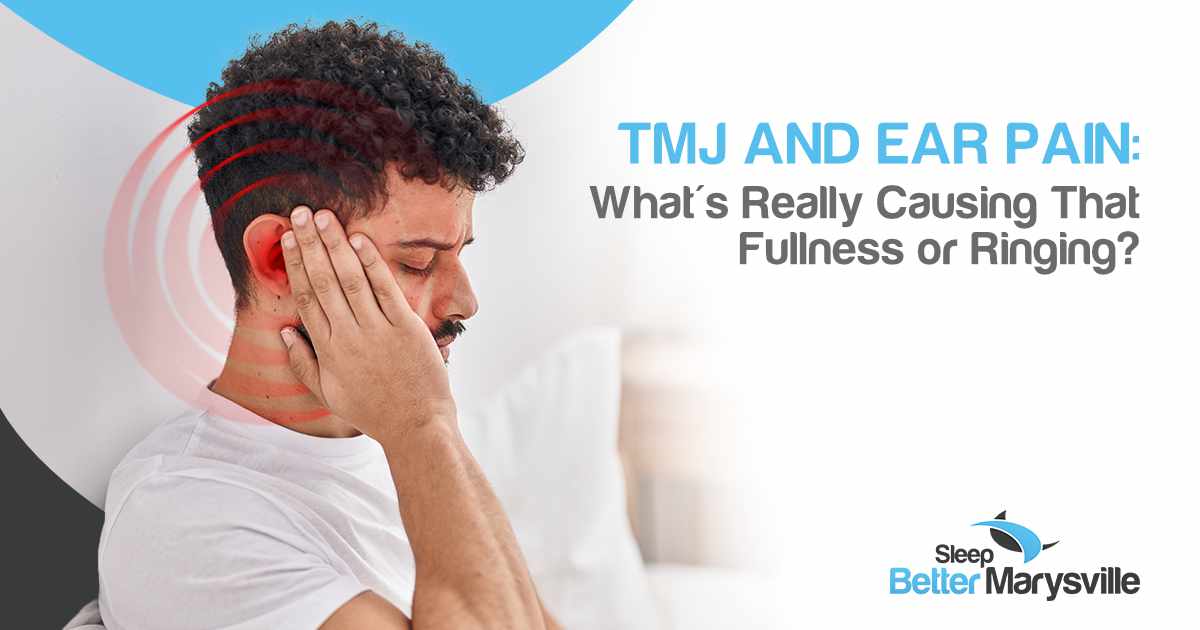
Ear pain, ringing, or a persistent feeling of fullness is often assumed to be caused by an ear infection or another ear-related condition. However, when these symptoms continue despite treatment or no clear ear problem is identified, the temporomandibular joint (TMJ) may be contributing to the discomfort. Understanding the connection between TMJ disorders and ear symptoms can help individuals pursue the appropriate evaluation and conservative treatment.
Many people spend weeks or even months searching for the cause of persistent ear discomfort without realizing the symptoms may not originate in the ear itself. Because TMJ disorders can closely resemble common ear conditions, individuals are sometimes treated for infections or other ear problems before the jaw joint is evaluated. Learning how TMJ dysfunction affects nearby muscles, nerves, and tissues can help explain why these symptoms occur and when professional evaluation may be appropriate.
Understanding the Connection Between TMJ and Ear Pain
The temporomandibular joint connects the lower jaw to the skull and allows the jaw to move smoothly during speaking, chewing, and yawning. Because this joint is located very close to the ear canal, irritation or dysfunction within the TMJ can create sensations that seem to originate inside the ear. This close anatomical relationship explains why TMJ and ear pain are commonly linked.
The jaw joint also shares muscles, ligaments, and nerve pathways with structures surrounding the ear. When these tissues become inflamed or strained, pain signals may travel to nearby areas and create symptoms such as ear discomfort, pressure, or a clogged sensation. As a result, individuals may believe they have an ear condition even though the underlying problem involves the jaw joint.
TMJ disorders frequently mimic common ear problems because the symptoms overlap considerably. Many people first seek treatment from an ear, nose, and throat (ENT) provider when they experience persistent ear pain or TMJ ear fullness. If no infection or hearing disorder is identified, evaluating the jaw joint may provide important answers.
Why TMJ-Related Ear Fullness and Ringing May Occur
How TMJ Can Create Ear Fullness Without an Ear Infection
A feeling of ear fullness without infection can develop when muscles surrounding the TMJ become tight or inflamed. Increased muscle tension and joint irritation may place pressure on nearby tissues, creating the sensation that the ear is blocked even though the ear itself appears healthy. This is one reason why TMJ ear fullness may persist despite normal ear examinations.
Inflammation around the jaw joint can also affect the muscles responsible for normal jaw movement. As these muscles become overworked through clenching, grinding, or repetitive jaw activity, they may contribute to pressure around the ear region. Some individuals notice that the sensation becomes more noticeable during chewing, talking, or stressful situations.
Unlike infections, TMJ-related ear fullness is not typically accompanied by fever, drainage, or significant hearing loss. Instead, symptoms often fluctuate depending on jaw activity and muscle tension throughout the day. Recognizing these differences may help guide patients toward an appropriate evaluation.
How TMJ May Contribute to Ringing in the Ears
Some individuals with TMJ disorders also report ringing, buzzing, or other sounds in the ears. While tinnitus has many possible causes, TMJ dysfunction may contribute to ringing in certain individuals because of the close relationship between the jaw joint, surrounding muscles, and shared nerve pathways. A comprehensive evaluation is important to determine whether the TMJ may be playing a role.
Muscle tightness and joint inflammation may increase stress on nearby tissues, potentially influencing how ear-related sensations are perceived. Symptoms may become more noticeable after prolonged chewing, jaw clenching, or periods of increased stress. Many people also observe that the ringing changes in intensity rather than remaining constant.
Because ringing in the ears can result from a variety of medical conditions, self-diagnosis is not appropriate. Persistent or worsening symptoms should always be evaluated by a qualified healthcare professional to identify the underlying cause. When ear disorders have been ruled out, assessing the TMJ may provide additional insight.
TMJ-related ringing may also change from day to day depending on how much stress is placed on the jaw. Some individuals notice increased symptoms after chewing tough foods, prolonged talking, or waking after nighttime teeth grinding, while others experience periods of improvement when jaw tension decreases. Although these patterns do not confirm that the TMJ is responsible, they can provide helpful information during a professional evaluation.
Common Symptoms That Often Accompany TMJ and Ear Pain
Jaw Symptoms
TMJ disorders often produce symptoms that extend beyond the ear itself. Jaw discomfort may develop gradually or appear suddenly after prolonged clenching, grinding, or repetitive jaw movements. Some individuals experience symptoms on one side, while others notice discomfort affecting both sides of the jaw.
Common jaw-related symptoms may include:
- Clicking or popping during jaw movement
- Jaw stiffness, especially in the morning
- Difficulty chewing certain foods
- Limited jaw opening
- Tenderness around the jaw joint
These symptoms may become more noticeable after eating chewy foods or speaking for extended periods. Over time, persistent joint irritation can make routine jaw movement increasingly uncomfortable. Recognizing these patterns may help distinguish TMJ disorders from primary ear conditions.
Ear-Related Symptoms
Ear symptoms associated with TMJ disorders can vary from mild to persistent. Although the ear itself may appear healthy during examination, nearby muscle and joint dysfunction can create sensations that closely resemble an ear condition. These symptoms often occur without evidence of infection.
Individuals may experience:
- Ear pain or aching
- Ear pressure
- Ear fullness
- Ringing in the ears
- Sensitivity around the ear
The severity of these symptoms may fluctuate throughout the day depending on jaw activity and muscle tension. Many people notice temporary relief when they avoid excessive jaw movement or reduce clenching habits. This pattern often differs from symptoms caused by an active ear infection.
Head, Neck, and Facial Symptoms
TMJ disorders frequently affect muscles throughout the face, head, and neck. Muscle tension surrounding the jaw can spread into nearby structures, creating discomfort that extends well beyond the joint itself. This widespread involvement sometimes makes identifying the true source of pain more challenging.
Common accompanying symptoms include headaches near the temples, facial soreness, neck tension, and shoulder discomfort. Some individuals also experience tenderness while touching the jaw muscles or fatigue after chewing. These symptoms often occur together with ear discomfort rather than independently.
Recognizing these symptoms is only one part of understanding TMJ disorders. Determining what contributes to joint dysfunction is equally important because successful management focuses on addressing the underlying source of irritation rather than only relieving the symptoms. Understanding these contributing factors can help guide appropriate diagnosis and conservative treatment planning.
What Causes TMJ Disorders That Lead to Ear Pain?
Teeth Grinding and Jaw Clenching
Bruxism, commonly known as teeth grinding or jaw clenching, places repeated stress on the temporomandibular joint. Many individuals grind their teeth during sleep without realizing it, allowing muscle fatigue and joint irritation to develop over time. Persistent pressure on the TMJ may contribute to jaw pain and ear pain simultaneously.
Nighttime clenching prevents the jaw muscles from fully relaxing during sleep. As the muscles remain active for extended periods, inflammation and soreness may increase. This repetitive strain can contribute to ongoing discomfort around the jaw and ears.
Bite Problems and Jaw Misalignment
An uneven bite or jaw misalignment may change how the TMJ functions during everyday activities. When the teeth do not come together evenly, surrounding muscles often compensate by working harder to stabilize jaw movement. This added strain may contribute to joint irritation and ear-related symptoms.
Some individuals notice clicking, popping, or shifting of the jaw while opening or closing their mouth. Others experience uneven tooth wear or difficulty finding a comfortable bite position. A comprehensive TMJ evaluation can help determine whether bite imbalance is contributing to symptoms.
Stress and Muscle Tension
Emotional stress commonly contributes to unconscious jaw tightening throughout the day. Chronic muscle tension places additional pressure on the TMJ and surrounding tissues, increasing the likelihood of discomfort. Poor posture and repetitive jaw habits may further aggravate these symptoms.
Activities such as chewing gum excessively, biting fingernails, or holding the jaw in a tense position can also increase muscle fatigue. Over time, these habits may contribute to recurring episodes of TMJ discomfort. Addressing these contributing factors often plays an important role in conservative management.
How TMJ and Ear Pain Are Diagnosed
When Ear Symptoms Are Not Actually Ear Problems
Individuals with persistent ear discomfort often begin by visiting their primary care provider or an ENT specialist. If examinations reveal no infection, hearing disorder, or structural ear problem, additional investigation may be necessary. Ruling out ear disease is an important first step before considering TMJ dysfunction.
Several medical conditions can produce symptoms similar to TMJ-related ear discomfort. Sinus conditions, eustachian tube dysfunction, and other ear disorders may require different forms of treatment. A careful evaluation helps determine the most appropriate next step.
During the diagnostic process, healthcare providers may also consider other conditions that can produce similar symptoms, including middle ear disorders, sinus-related pressure, or eustachian tube dysfunction. Because these conditions can resemble TMJ-related discomfort, a careful evaluation helps determine whether the symptoms originate within the ear or are being referred from the jaw joint. Identifying the correct source allows treatment recommendations to be directed toward the underlying cause rather than the symptoms alone.
Comprehensive TMJ Evaluation
A TMJ evaluation typically includes reviewing medical history, current symptoms, and factors that worsen or relieve discomfort. The provider may examine jaw movement, bite alignment, muscle tenderness, and joint function while observing how the jaw opens and closes. This information helps identify patterns consistent with TMJ dysfunction.
Depending on the individual’s symptoms, additional diagnostic imaging or referrals may be recommended. The goal is not simply to manage ear discomfort but to identify the underlying cause contributing to the symptoms. Accurate diagnosis allows conservative treatment recommendations to be tailored to each patient’s needs.
Conservative Treatment Options for TMJ Disorders
Oral Appliance Therapy
Custom oral appliance therapy is one of the most common conservative approaches for managing TMJ disorders associated with teeth grinding and jaw clenching. These appliances help reduce excessive pressure on the jaw joint while encouraging a more relaxed jaw position during sleep. Many individuals experience gradual improvement in jaw discomfort and associated ear symptoms with consistent use.
Unlike over-the-counter mouthguards, professionally fitted oral appliances are designed to support the individual’s bite and jaw alignment. Proper fit is important to promote comfort and reduce unnecessary joint strain. Treatment recommendations should always be based on a comprehensive evaluation.
Lifestyle Changes That Support TMJ Recovery
Daily habits can significantly influence TMJ symptoms. Conservative recommendations often focus on reducing unnecessary stress on the jaw while encouraging healthy muscle function. These changes are intended to complement professional care rather than replace it.
Helpful strategies may include:
- Choosing softer foods during symptom flare-ups
- Avoiding chewing gum
- Applying moist heat when appropriate
- Practicing stress management techniques
- Performing gentle jaw exercises as recommended
- Maintaining supportive sleep posture
Small lifestyle adjustments may gradually reduce muscle tension and improve jaw comfort over time. Consistency is often more beneficial than making dramatic changes all at once. Following personalized recommendations from a healthcare provider can help support recovery.
Why Early Evaluation Matters
Addressing TMJ symptoms early may help reduce ongoing inflammation and muscle strain before they become more difficult to manage. Persistent discomfort can interfere with eating, speaking, sleeping, and other daily activities. Seeking evaluation before symptoms worsen allows conservative treatment options to be considered sooner.
Early assessment also helps rule out other medical conditions that may require different care. Because ear symptoms have many possible causes, obtaining an accurate diagnosis is essential. Identifying the true source of discomfort supports more appropriate treatment decisions.
Early evaluation may also reduce unnecessary treatments when ear symptoms are actually related to TMJ dysfunction. Rather than repeatedly addressing symptoms alone, a comprehensive assessment helps healthcare providers identify contributing factors that may be affecting both jaw function and nearby structures. This approach supports more informed treatment decisions and may improve long-term symptom management.
When Persistent Ear Pain or Ringing Should Be Evaluated
Persistent ear pain, fullness, or ringing that continues despite treatment deserves further attention. Symptoms accompanied by jaw clicking, morning headaches, limited jaw opening, or facial discomfort may indicate that the temporomandibular joint should be evaluated. A thorough assessment helps determine whether TMJ dysfunction is contributing to these ongoing concerns.
Individuals should avoid assuming that recurring ear symptoms are always related to infection or hearing problems. When symptoms repeatedly return or fail to improve, additional evaluation can help identify the underlying cause. An accurate diagnosis provides the foundation for developing an effective conservative treatment plan.
Schedule a TMJ Evaluation at Sleep Better Marysville
Individuals experiencing persistent TMJ and ear pain, TMJ ear fullness, or TMJ ringing in ears that has not improved after treatment for an ear condition may benefit from a comprehensive TMJ evaluation. Sleep Better Marysville provides personalized assessments to determine whether jaw dysfunction is contributing to ongoing ear symptoms and develops conservative treatment plans based on each patient’s individual needs. To learn more about available TMJ treatment or to schedule a comprehensive evaluation, contact Sleep Better Marysville and take the first step toward identifying the true source of persistent jaw and ear discomfort.
 //Simplify chat widget