
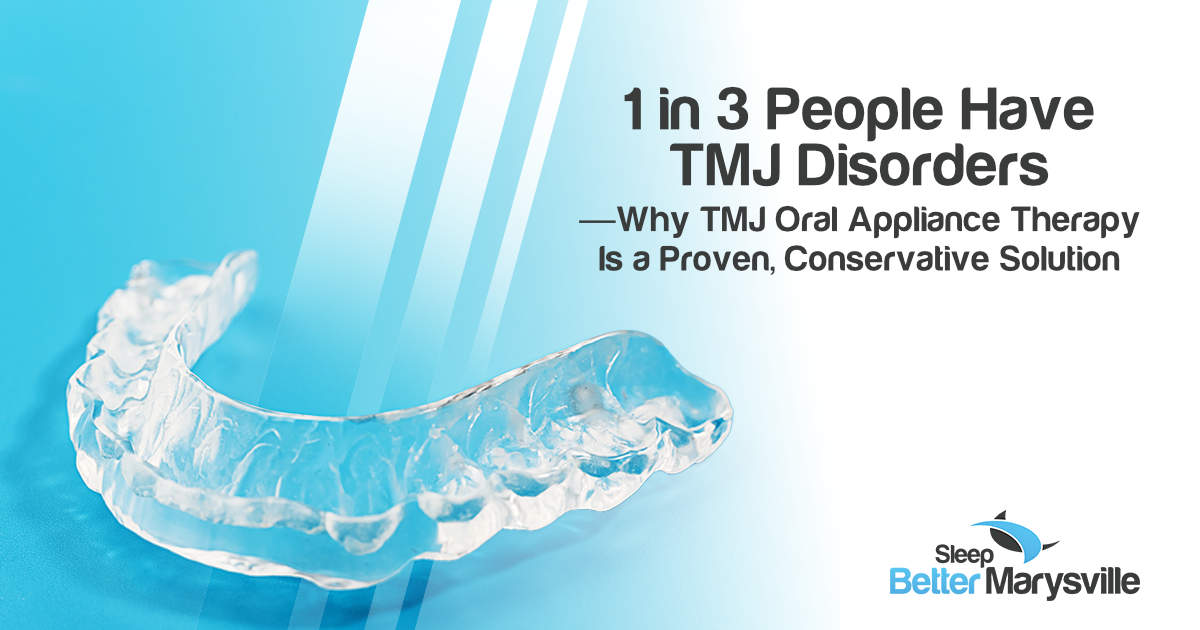
Temporomandibular joint (TMJ) disorders affect far more people than many realize, yet countless individuals continue living with jaw pain, headaches, and disrupted sleep without understanding the cause. Recent research has highlighted just how widespread these conditions are, emphasizing the importance of recognizing symptoms and seeking appropriate care early. For many patients, TMJ oral appliance therapy offers a proven, conservative solution that addresses the underlying problem without surgery.
Living with untreated TMJ disorders can affect nearly every aspect of daily life, from eating and speaking comfortably to getting a full night’s sleep. Fortunately, modern TMJ treatment focuses on relieving jaw strain, protecting teeth from grinding, and restoring healthy jaw function through personalized oral appliance therapy. Early diagnosis and treatment can help prevent symptoms from worsening while improving overall comfort and quality of life.
A June 2025 meta-analysis published in the Journal of Oral & Facial Pain and Headache found that approximately one in three adults worldwide experience symptoms associated with TMJ disorders. This research highlights just how common these conditions have become and reinforces the importance of recognizing symptoms before they worsen.
TMJ Disorders Are More Common Than Many People Think
Many people assume jaw pain or clicking is simply a normal part of aging or stress, but research suggests otherwise. A recent global analysis found that approximately one in three adults experience symptoms associated with TMJ disorders, making them one of the most common musculoskeletal conditions affecting the face and jaw. Despite their prevalence, many cases remain undiagnosed because symptoms often develop gradually and resemble other health concerns.
Although TMJ disorders are remarkably common, many people never receive a diagnosis because the symptoms often develop gradually and are mistaken for stress, sinus problems, routine dental discomfort, or other conditions. Millions of people may be living with chronic discomfort without realizing that effective treatment is available. Some individuals tolerate symptoms for years, believing occasional headaches or jaw stiffness are temporary inconveniences rather than signs of an underlying disorder.
Because TMJ disorders often develop gradually, many people adapt to jaw discomfort without realizing it is not normal. Clicking, stiffness, or recurring headaches may seem minor at first, but these symptoms can indicate underlying joint dysfunction that benefits from early evaluation and conservative treatment.
Understanding the Temporomandibular Joint
The temporomandibular joints connect the lower jaw to the skull and allow smooth movement for speaking, chewing, swallowing, and yawning. These joints work together with muscles, ligaments, and surrounding tissues to perform thousands of movements every day. Even minor disruptions to this complex system can create pain, stiffness, or limited jaw movement.
Although people often use the term “TMJ” to describe the condition itself, TMJ actually refers to the joint. The medical condition is known as temporomandibular joint disorder or TMD, but the abbreviation TMJ disorder remains widely recognized by patients and healthcare providers. Understanding this distinction helps explain why treatment focuses on restoring healthy joint function rather than simply masking symptoms.
Common Symptoms of TMJ Disorders
TMJ disorders can present differently from one individual to another, making professional evaluation especially important. Some symptoms appear gradually, while others develop suddenly following stress, injury, or increased teeth grinding. Recognizing these warning signs can lead to earlier diagnosis and more successful conservative treatment.
Common symptoms may include:
- Jaw pain or tenderness
- Clicking, popping, or grinding sounds when opening the mouth
- Difficulty chewing or discomfort while eating
- Morning headaches
- Facial pain or pressure
- Ear discomfort without infection
- Limited jaw movement or locking
- Neck and shoulder tension
Many patients experience several of these symptoms simultaneously, although the severity varies considerably. Because these issues often resemble dental problems, sinus conditions, or chronic headaches, proper diagnosis is essential to identify the true source of discomfort.
What Causes TMJ Disorders?
TMJ disorders rarely develop from a single cause. Instead, they often result from multiple contributing factors that place excessive stress on the jaw joints and surrounding muscles over time. Identifying these contributing factors allows treatment to address both symptoms and their underlying causes.
Several factors may contribute to TMJ disorders, including:
- Teeth grinding or clenching (bruxism)
- Chronic stress and muscle tension
- Jaw injuries
- Arthritis affecting the joint
- Bite irregularities
- Overuse of the jaw muscles
- Poor posture that strains the neck and jaw
Many individuals unknowingly grind or clench their teeth during sleep, placing continuous pressure on the temporomandibular joints throughout the night. This repeated stress can inflame muscles, damage teeth, and gradually worsen jaw dysfunction if left untreated.
Why Early TMJ Treatment Matters
Early intervention can significantly improve long-term outcomes for people experiencing TMJ disorders. When treatment begins before symptoms become severe, it is often easier to reduce inflammation, restore comfortable jaw movement, and prevent additional damage. Delaying care may allow the condition to progress, leading to more persistent pain and functional limitations.
Untreated TMJ disorders may contribute to:
- Increased jaw pain
- More frequent headaches
- Progressive tooth wear from grinding
- Difficulty chewing certain foods
- Reduced jaw mobility
- Interrupted sleep
- Ongoing muscle tension throughout the face and neck
These complications can gradually affect daily activities and overall quality of life. Seeking professional evaluation at the earliest signs of persistent jaw discomfort provides the best opportunity for successful conservative treatment.
How TMJ Oral Appliance Therapy Works
One of the most effective conservative approaches for managing TMJ disorders is TMJ oral appliance therapy. This treatment uses a custom-made oral appliance that fits comfortably over the teeth and helps reduce excessive pressure on the jaw joints and surrounding muscles. By encouraging a healthier jaw position, the appliance promotes improved function while minimizing nighttime clenching and grinding.
Unlike medications that primarily manage symptoms, oral appliance therapy addresses the mechanical forces contributing to jaw dysfunction. Many patients wear the appliance while sleeping, allowing the jaw muscles to relax and reducing repetitive stress that occurs overnight. This approach provides ongoing support without surgery or invasive procedures.
Custom oral appliances also help distribute bite forces more evenly across the teeth and jaw, reducing excessive pressure on the temporomandibular joints. By minimizing repetitive strain during sleep, the appliance allows irritated muscles and joint tissues to recover more effectively while helping maintain a healthier jaw position over time.
Because every patient’s bite and jaw alignment are unique, a professionally designed appliance provides a level of precision that generic products cannot match. Regular follow-up appointments allow adjustments that maximize comfort, improve treatment effectiveness, and support long-term symptom relief.
Benefits of Custom TMJ Oral Appliance Therapy
Custom oral appliances are individually designed to match each patient’s bite, jaw alignment, and treatment needs. Because every person’s anatomy differs, personalized appliances provide a more precise fit and greater effectiveness than generic over-the-counter mouthguards. Proper customization also improves comfort, making consistent use easier for patients.
Patients may experience several benefits, including:
- Reduced jaw pain
- Less muscle tension
- Protection against teeth grinding
- Improved jaw alignment
- Better chewing comfort
- Fewer morning headaches
- Improved sleep quality
- Reduced strain on the temporomandibular joints
Although every patient’s response varies, many individuals notice meaningful improvement within weeks of beginning therapy. Continued use under professional supervision helps maintain these benefits while supporting long-term jaw health.
Many patients also report improvements in daily comfort because reduced jaw strain can lessen muscle fatigue throughout the face and neck. When used consistently as part of a personalized treatment plan, a custom oral appliance may help patients eat, speak, and sleep more comfortably while reducing the likelihood of symptom flare-ups.
Custom Oral Appliances Versus Over-the-Counter Mouthguards
Many people assume that any mouthguard will relieve TMJ symptoms, but important differences exist between custom oral appliances and store-bought products. Over-the-counter mouthguards are manufactured in standard sizes and primarily provide protection against tooth wear rather than correcting jaw mechanics. They may not position the jaw properly or relieve the underlying causes of TMJ disorders.
Custom TMJ oral appliances are fabricated specifically for each patient after a comprehensive examination and precise measurements of the bite. This individualized design allows the appliance to distribute pressure more evenly, reduce muscle strain, and encourage healthier jaw positioning. As a result, professionally fitted appliances often provide greater comfort and more predictable long-term outcomes.
Why Conservative TMJ Treatment Is Often the First Recommendation
Conservative therapies remain the preferred first-line approach for many TMJ disorders because they carry fewer risks than invasive procedures. Treatments such as oral appliance therapy focus on supporting natural jaw function while minimizing discomfort, making them appropriate for many patients before considering more aggressive options. This philosophy emphasizes preserving healthy joint structures whenever possible.
Another advantage of conservative treatment is its flexibility. Oral appliances can be adjusted as symptoms improve or change over time, allowing care to remain personalized throughout the treatment process. Many patients achieve lasting relief without requiring injections or surgical intervention.
What to Expect During a TMJ Evaluation
A comprehensive TMJ evaluation helps determine whether jaw discomfort is related to temporomandibular joint dysfunction or another condition. During the appointment, the provider reviews symptoms, medical history, jaw movement, bite alignment, and any signs of teeth grinding or muscle tension that may be contributing to discomfort. This detailed assessment provides the foundation for developing an individualized treatment plan.
If TMJ oral appliance therapy is recommended, impressions or digital measurements are taken to create a custom appliance designed specifically for the patient’s bite. Follow-up visits allow the appliance to be adjusted as needed, helping ensure a comfortable fit and supporting long-term improvements in jaw function, pain relief, and overall oral health.
How Sleep Better Marysville Helps Patients Find Lasting Relief
Sleep Better Marysville provides personalized evaluations for patients experiencing symptoms associated with TMJ disorders. A comprehensive assessment allows the team to evaluate jaw movement, bite alignment, muscle function, and factors contributing to discomfort before recommending treatment. This individualized approach helps ensure each patient receives care tailored to their specific needs.
For patients who are appropriate candidates, custom TMJ oral appliance therapy offers a conservative, research-supported solution that promotes healthier jaw function while protecting against nighttime grinding and clenching. Ongoing monitoring allows adjustments when needed to maximize comfort and treatment effectiveness. The goal is to help patients experience lasting relief while avoiding unnecessary invasive procedures whenever possible.
Patient education is an important part of the treatment process. Understanding how jaw mechanics, nighttime grinding, and daily habits contribute to TMJ disorders empowers patients to make informed decisions while working toward lasting symptom relief through conservative care.
Don’t Ignore Persistent Jaw Pain
Jaw pain, frequent headaches, facial discomfort, or clicking when opening the mouth should never be dismissed as something that must be tolerated. Because TMJ disorders affect approximately one in three people, these symptoms are more common than many individuals realize and deserve professional evaluation. Early diagnosis often leads to more effective treatment and may prevent symptoms from progressing.
If you have been experiencing signs of a TMJ disorder, Sleep Better Marysville can help determine whether TMJ oral appliance therapy is the right solution for your needs. A personalized evaluation can identify the source of your symptoms and create a customized TMJ treatment plan designed to reduce pain, improve jaw function, protect your teeth, and support better sleep. Contact Sleep Better Marysville today to schedule a consultation and take the first step toward lasting relief.
 //Simplify chat widget