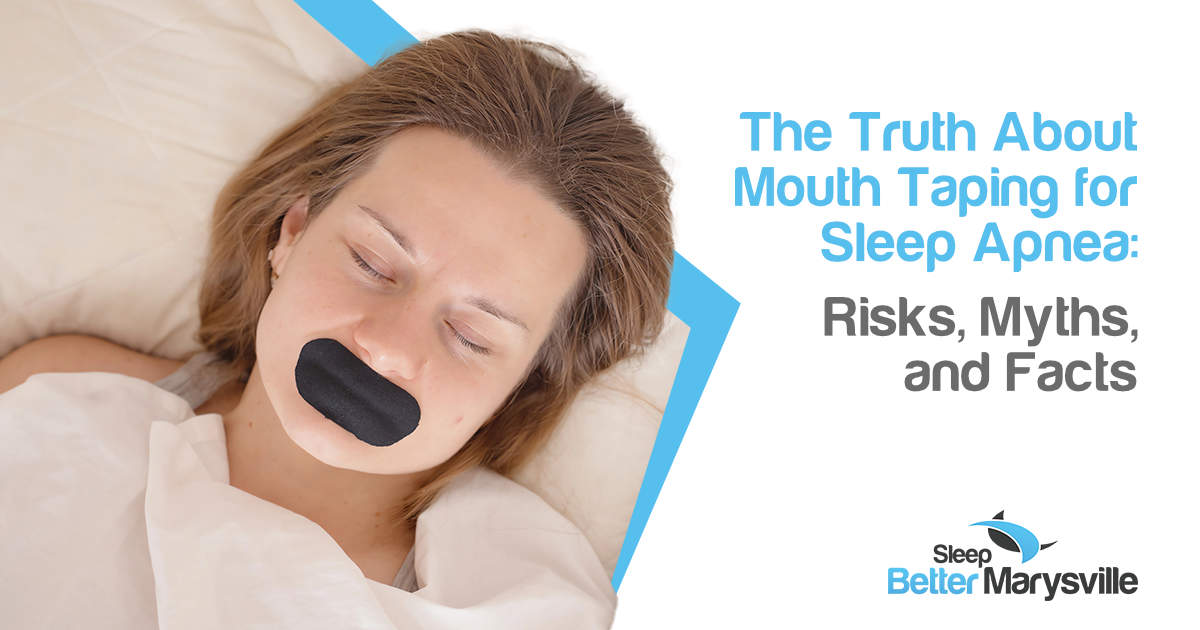
Mouth Taping Sleep Apnea Risks Everyone Should Know
Although mouth taping may appear harmless, it can present significant concerns for people with suspected or diagnosed obstructive sleep apnea (OSA). Sleep apnea occurs when the airway repeatedly narrows or collapses during sleep, causing interruptions in breathing that cannot be corrected simply by keeping the mouth closed. Understanding these risks is essential before following advice shared on social media or attempting self-treatment.
Risks for People With Undiagnosed Sleep Apnea
Individuals with undiagnosed sleep apnea may mistakenly believe that mouth taping addresses the source of their snoring or poor sleep. While the tape may reduce noise in some cases, it does not prevent the airway from collapsing deeper in the throat. As a result, breathing interruptions may continue while the underlying condition remains untreated.
Delaying an accurate sleep apnea diagnosis can allow the disorder to progress over time. Untreated OSA has been associated with high blood pressure, cardiovascular disease, stroke, type 2 diabetes, and impaired cognitive function. Seeking professional evaluation early helps identify the cause of nighttime breathing problems before serious health complications develop.
Many people assume that quieter sleep automatically means healthier sleep, but this is not always true. A person may continue experiencing repeated oxygen drops and frequent awakenings even if snoring becomes less noticeable. Only a comprehensive sleep evaluation can determine whether obstructive sleep apnea is present and how severe it may be.
Restricted Airflow and Breathing Concerns
One of the primary mouth taping sleep apnea risks involves restricted airflow when nasal breathing becomes difficult. Allergies, sinus infections, nasal congestion, or structural issues such as a deviated septum can partially or completely block the nasal passages. If the mouth is taped shut during these situations, breathing may become even more difficult throughout the night.
People naturally switch between nasal and mouth breathing when their bodies need additional airflow. Preventing that natural response could increase discomfort or contribute to lower oxygen levels in individuals whose airways are already compromised. Rather than improving breathing, mouth taping may make nighttime breathing more stressful for some people.
Because obstructive sleep apnea affects airflow below the nose, simply closing the mouth does not eliminate the airway obstruction. The muscles of the throat may still relax during sleep, causing repeated breathing pauses regardless of whether the lips remain sealed. This distinction highlights why mouth taping and sleep apnea should not be viewed as interchangeable solutions.
Other Safety Concerns With Mouth Taping
Beyond breathing concerns, mouth taping can create several additional safety issues. Adhesive products may cause skin irritation, redness, or allergic reactions, particularly for individuals with sensitive skin. Some people also experience anxiety or discomfort from the sensation of having their mouths taped closed while trying to sleep.
Another concern involves individuals who experience nighttime acid reflux or vomiting. If vomiting occurs while the mouth is taped, there may be an increased risk of choking or aspiration because the mouth cannot open as freely. Although these situations are uncommon, they illustrate why medical professionals encourage caution before attempting this practice.
Nasal congestion presents another challenge. Seasonal allergies, colds, or sinus infections can develop unexpectedly, making nasal breathing difficult on any given night. Relying on mouth taping without considering these factors may lead to interrupted sleep rather than improved rest.
Myths and Facts About Mouth Taping and Sleep Apnea
Social media has helped spread many claims about mouth taping, but not all of them are supported by scientific evidence. Separating myths from facts allows individuals to make informed decisions about their sleep health. Understanding what research actually shows is more valuable than relying on anecdotal success stories found online.
Myth: Mouth Taping Cures Sleep Apnea
Fact: Current research does not support mouth taping as a treatment for obstructive sleep apnea. While a few small studies have explored whether it may reduce snoring in select individuals, there is no strong clinical evidence showing that it effectively treats moderate or severe OSA. The airway can still collapse during sleep even if the mouth remains closed.
Obstructive sleep apnea involves repeated airway obstruction rather than simply breathing through the mouth. Effective treatment focuses on keeping the airway open throughout the night rather than preventing the lips from separating. This is why evidence-based therapies remain the recommended approach for diagnosed sleep apnea.
Myth: If Snoring Improves, Sleep Apnea Is Gone
Fact: Snoring and sleep apnea are related, but they are not the same condition. Some people snore without having sleep apnea, while others experience dangerous breathing interruptions with little noticeable snoring. Reducing the sound of snoring does not necessarily mean breathing has improved.
Sleep apnea often involves repeated pauses in breathing that reduce oxygen levels and disrupt normal sleep cycles. These interruptions can continue silently even if snoring becomes less obvious. A sleep study remains the only reliable way to determine whether obstructive sleep apnea is present.
Myth: Mouth Taping Is a Safe CPAP Alternative
Fact: Mouth taping should not be considered a replacement for CPAP therapy or other medically recommended treatments. Continuous Positive Airway Pressure (CPAP) has been extensively studied and remains one of the most effective therapies for many people with obstructive sleep apnea. Alternative treatments should only be recommended after a professional evaluation determines they are appropriate.
For individuals who struggle with CPAP, several evidence-based options may provide effective treatment. Oral appliance therapy, positional therapy, weight management when appropriate, and addressing nasal obstruction can all play important roles depending on the individual’s diagnosis. Choosing the right treatment requires understanding the underlying cause of the breathing disorder rather than relying on a viral trend.
What to Do Instead of Mouth Taping for Sleep Apnea
Instead of experimenting with home remedies, individuals experiencing chronic snoring or interrupted breathing should focus on identifying the cause of their symptoms. Sleep disorders vary significantly from person to person, making personalized evaluation essential. An accurate diagnosis helps ensure treatment addresses the actual problem rather than masking its symptoms.
Because sleep apnea can have multiple underlying causes and varying levels of severity, there is no single treatment that works for everyone. A personalized treatment plan based on a professional diagnosis provides the safest and most effective path toward better sleep and long-term health.
Professional Sleep Apnea Evaluation
A professional sleep apnea evaluation typically begins with a detailed review of symptoms, medical history, and sleep habits. Depending on the situation, a healthcare provider may recommend an at-home sleep test or an overnight sleep study to measure breathing patterns, oxygen levels, and sleep quality. These results help determine whether obstructive sleep apnea is present and how severe it may be.
Early diagnosis offers benefits beyond improving sleep. Treating sleep apnea may help reduce the risk of cardiovascular complications, improve daytime alertness, support better concentration, and enhance overall quality of life. Prompt evaluation also prevents unnecessary delays caused by trying ineffective home remedies.
Proven Sleep Apnea Treatment Options
Several evidence-based treatments are available depending on the severity of obstructive sleep apnea and each patient’s individual needs. A personalized treatment plan may include:
- Custom oral appliance therapy that gently repositions the jaw to help keep the airway open.
- CPAP therapy, which delivers continuous air pressure to prevent airway collapse during sleep.
- Lifestyle modifications, including weight management when appropriate and reducing alcohol consumption before bedtime.
- Positional therapy for individuals whose sleep apnea occurs primarily while sleeping on their backs.
- Treatment for nasal obstruction caused by allergies, congestion, or structural concerns.
Many patients benefit from combining multiple treatment approaches rather than relying on a single solution. Working with a qualified sleep professional ensures each recommendation is tailored to the patient’s diagnosis and long-term health goals.
Why Oral Appliance Therapy May Be a Comfortable CPAP Alternative
For many individuals with mild to moderate obstructive sleep apnea, oral appliance therapy offers a proven treatment option that is both comfortable and convenient. These custom-made devices gently reposition the lower jaw and tongue to help maintain an open airway during sleep. Because each appliance is individually fitted, patients often find them easier to wear consistently than bulky equipment.
Readers interested in learning more about whether a custom oral appliance is appropriate for their condition can explore Sleep Better Marysville’s Oral Appliance Therapy page for additional information about how this evidence-based treatment works and who may benefit from it.
Oral appliance therapy is commonly recommended for many patients with mild to moderate obstructive sleep apnea and may also be appropriate for some individuals who cannot comfortably tolerate CPAP therapy. Because every patient’s airway anatomy and sleep patterns are unique, treatment recommendations should always be based on a comprehensive evaluation by a qualified sleep professional.
Oral appliances are also compact and travel-friendly. They require no electricity, produce no noise, and fit easily into a small carrying case, making them especially convenient for frequent travelers. Consistent use is one of the most important factors in successful sleep apnea treatment, and many patients appreciate the simplicity of this option.
Not every patient is a candidate for oral appliance therapy, which is why professional evaluation remains essential. A qualified sleep provider can determine whether an oral appliance, CPAP therapy, or another treatment approach is most appropriate based on the individual’s condition. Selecting the right therapy improves both comfort and long-term treatment success.
Schedule a Sleep Apnea Evaluation at Sleep Better Marysville
If chronic snoring, gasping during sleep, witnessed breathing pauses, morning headaches, or excessive daytime fatigue are affecting daily life, the safest next step is obtaining a professional sleep evaluation rather than relying on viral sleep trends or home remedies. An accurate diagnosis can identify the true cause of nighttime breathing problems and help determine the most effective treatment for long-term sleep health. Sleep Better Marysville provides comprehensive evaluations and personalized treatment plans, including custom oral appliance therapy for appropriate candidates, helping patients achieve safer, healthier, and more restful sleep.
Understanding the facts about mouth taping for sleep apnea empowers individuals to make informed decisions and pursue treatments that are supported by clinical evidence rather than social media trends.
 //Simplify chat widget