
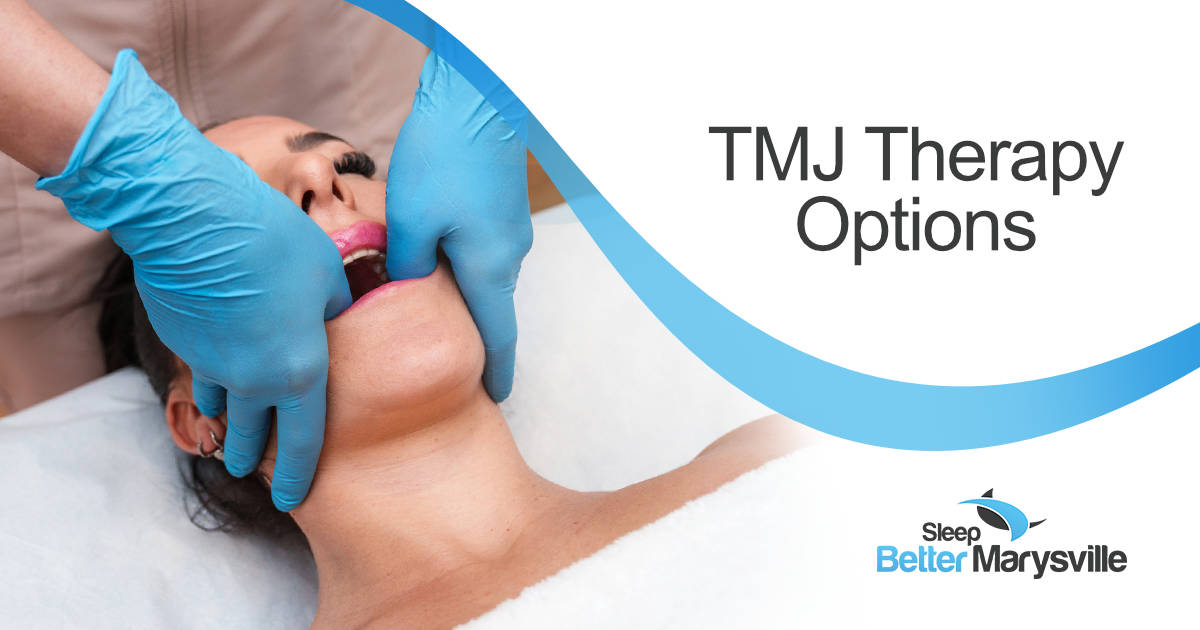
Temporomandibular joint (TMJ) disorders can make everyday activities like eating, speaking, and yawning uncomfortable or even painful. Fortunately, many effective TMJ therapy options are available to reduce discomfort, improve jaw function, and help prevent long-term complications. The most appropriate treatment depends on the underlying cause of the condition, making a comprehensive evaluation the first step toward lasting relief.
What Are TMJ Therapy Options and When Is TMJ Treatment Needed?
The temporomandibular joint connects the lower jaw to the skull, allowing smooth movement during speaking, chewing, and other daily activities. When this joint or the surrounding muscles become irritated or damaged, it can lead to a condition commonly known as temporomandibular joint disorder (TMD). Understanding the available TMJ therapy options can help individuals seek appropriate care before symptoms become more severe.
What Is the Temporomandibular Joint?
The temporomandibular joint is one of the body’s most complex joints because it performs both hinge and sliding movements. It works alongside muscles, ligaments, and cartilage to allow coordinated jaw movement throughout the day. When any part of this system is affected by injury, inflammation, or excessive strain, TMJ dysfunction may develop.
Several factors can contribute to TMJ disorders, including chronic teeth grinding, jaw injuries, arthritis, bite irregularities, and prolonged muscle tension. In many cases, more than one factor contributes to the condition, making professional evaluation important. Identifying the underlying cause helps determine which TMJ treatment approach is most appropriate.
Common Symptoms That May Require TMJ Therapy
TMJ disorders can produce a wide variety of symptoms that range from mild discomfort to significant functional limitations. Some people experience symptoms only occasionally, while others notice persistent pain that interferes with daily life. Early recognition often leads to more effective treatment and improved long-term outcomes.
Common signs of TMJ dysfunction include:
- Jaw pain or tenderness
- Clicking or popping when opening or closing the mouth
- Difficulty chewing comfortably
- Jaw locking in an open or closed position
- Facial pain or muscle soreness
- Frequent headaches
- Ear pain or a feeling of fullness
- Limited jaw movement
Symptoms that continue for several days, become progressively worse, or interfere with eating and speaking should not be ignored. Professional evaluation can determine whether TMJ dysfunction is responsible and whether treatment may help reduce discomfort. Early care may also help prevent ongoing joint stress and worsening symptoms.
Why a Comprehensive Evaluation Is the First Step Before Choosing TMJ Therapy Options
Although many people experience similar symptoms, no two TMJ disorders are exactly alike. Effective treatment begins with understanding why the condition developed rather than simply treating the symptoms. A comprehensive evaluation allows providers to create a personalized treatment plan based on each patient’s needs.
Identifying the Underlying Cause of TMJ Dysfunction
TMJ disorders can develop for several different reasons, and identifying the contributing factors is essential before beginning therapy. Some patients primarily experience muscle-related tension, while others have joint inflammation, structural abnormalities, or bite-related issues. The severity of symptoms may also vary considerably from one individual to another.
Common causes that may contribute to TMJ dysfunction include:
- Bruxism (teeth grinding or clenching)
- Jaw trauma or injury
- Arthritis affecting the joint
- Muscle tension
- Bite imbalance
- Emotional stress
- Repetitive jaw strain
Because multiple causes may exist simultaneously, treatment recommendations often involve more than one therapy. Understanding the complete clinical picture helps providers recommend the most appropriate conservative approach.
How Personalized TMJ Treatment Plans Are Developed
A comprehensive evaluation usually begins with a discussion of the patient’s symptoms, medical history, and dental history. Providers evaluate jaw movement, areas of tenderness, joint sounds, and signs of excessive tooth wear that may indicate nighttime grinding. Bite alignment and muscle function are also carefully assessed.
In some situations, diagnostic imaging such as X-rays or other advanced imaging may be recommended to evaluate the condition of the joint. These tools help identify inflammation, structural changes, or disc problems that cannot be seen during a physical examination. Once sufficient information has been gathered, a personalized treatment plan can be developed based on the patient’s diagnosis and overall oral health.
Conservative TMJ Therapy Options That Often Provide Effective Relief
Many patients experience meaningful improvement through conservative TMJ therapy options without requiring invasive procedures. These therapies focus on reducing joint stress, improving jaw function, and minimizing behaviors that contribute to pain. Conservative treatment is often recommended before considering more advanced interventions.
Custom Oral Appliance Therapy for TMJ Treatment
Custom oral appliances remain one of the most common conservative TMJ treatment options, particularly for individuals who clench or grind their teeth while sleeping. These professionally fabricated appliances are designed to fit each patient’s bite precisely, providing greater comfort and effectiveness than over-the-counter alternatives. By reducing pressure on the temporomandibular joint, they can help minimize muscle strain and protect teeth from excessive wear.
Depending on the patient’s diagnosis, treatment may involve an occlusal splint, stabilization appliance, or custom nightguard. These appliances help promote a more comfortable jaw position while reducing the forces created by nighttime bruxism. Because every bite is unique, custom appliances should always be provided and monitored by a qualified dental professional to ensure proper fit and function.
Unlike over-the-counter boil-and-bite mouthguards, professionally fabricated oral appliances are customized to each patient’s bite for improved comfort and more precise jaw support.
Lifestyle Changes That Support TMJ Therapy
Simple daily habit changes often complement professional TMJ therapy and may reduce unnecessary strain on the jaw. While lifestyle modifications alone may not resolve every case, they frequently improve comfort and support overall recovery. Consistency with these recommendations can make a meaningful difference over time.
Helpful lifestyle adjustments may include:
- Eating softer foods during painful flare-ups
- Avoiding chewing gum and hard foods
- Maintaining good posture while sitting and working
- Limiting wide mouth opening
- Practicing healthy sleep habits
Many patients also benefit from becoming more aware of unconscious daytime clenching. Reducing repetitive jaw tension throughout the day allows muscles and joints to recover more effectively between periods of activity.
Jaw Exercises and Physical Therapy for TMJ Pain
Targeted jaw exercises may improve flexibility, strengthen supporting muscles, and increase range of motion when performed under professional guidance. These exercises are selected based on the individual’s condition and should be performed correctly to avoid additional strain. A structured rehabilitation program often complements other conservative therapies.
Physical therapy may also include manual therapy techniques that improve muscle mobility and reduce tightness around the jaw, neck, and shoulders. Some providers incorporate additional therapeutic modalities to help reduce inflammation and encourage healing. As muscle balance improves, patients often notice greater comfort during everyday jaw movements.
Stress Management and Other Supportive TMJ Therapy Options
Stress can significantly influence TMJ symptoms, particularly for individuals who unconsciously clench or grind their teeth during the day or while sleeping. Managing muscle tension often becomes an important component of comprehensive TMJ therapy. Supportive treatments work alongside primary therapies to improve overall outcomes.
Managing Bruxism and Muscle Tension
Many individuals with TMJ disorders experience increased symptoms during periods of emotional or physical stress. Stress may contribute to muscle tightness, increased clenching, and more frequent episodes of nighttime grinding. Reducing these contributing factors may help decrease pressure on the jaw joint.
Supportive stress management strategies may include relaxation techniques, mindfulness practices, improved sleep routines, and behavioral awareness exercises. While these approaches do not directly correct structural problems, they often reduce muscle-related discomfort. Incorporating healthy stress management habits can improve both TMJ symptoms and overall well-being.
Additional Supportive TMJ Treatment Options
Some patients benefit from additional conservative therapies that help manage inflammation and muscle soreness during treatment. These supportive measures are often used together with oral appliances, physical therapy, and lifestyle modifications. The combination of therapies depends on each patient’s diagnosis and response to care.
Additional supportive treatments may include:
- Warm compresses
- Cold therapy
- Short-term medication recommended by a healthcare provider
- Regular professional monitoring
- Periodic treatment adjustments
Follow-up evaluations allow providers to monitor progress and modify treatment plans as symptoms improve. Ongoing supervision helps ensure that therapy continues to meet the patient’s changing needs.
How TMJ Treatment Recommendations Depend on the Severity of the Condition
TMJ treatment is never one-size-fits-all because every patient presents with a unique combination of symptoms, contributing factors, and clinical findings. The severity of the disorder often influences which therapies are recommended first. Beginning with the least invasive approach allows many patients to improve without unnecessary procedures.
Mild TMJ Disorders
Patients with mild symptoms often respond well to conservative therapies such as oral appliances, lifestyle changes, jaw exercises, and stress management. These treatments focus on reducing inflammation, minimizing joint stress, and improving muscle function before symptoms become chronic. Early intervention frequently leads to better long-term outcomes.
Moderate TMJ Dysfunction
Moderate TMJ disorders may require a combination of therapies to address multiple contributing factors simultaneously. Oral appliance therapy may be combined with physical therapy, behavior modification, and supportive treatments to improve jaw stability and comfort. Regular follow-up appointments allow providers to evaluate progress and make adjustments when necessary.
Severe or Complex TMJ Cases
Some patients experience advanced joint damage or structural abnormalities that require additional evaluation by specialists. In these situations, advanced therapies or referral to an oral and maxillofacial surgeon may be appropriate after conservative treatments have been fully explored. Surgical intervention is generally reserved for severe cases when non-invasive therapies have not provided adequate improvement.
Why Early TMJ Therapy Can Help Prevent Long-Term Jaw Problems
Delaying treatment may allow TMJ disorders to progress over time, increasing the likelihood of chronic discomfort and functional limitations. Ongoing inflammation, persistent muscle tension, and untreated teeth grinding may place additional stress on the jaw joint. Addressing symptoms early may help preserve normal jaw function and improve long-term comfort.
Early TMJ treatment may help reduce chronic pain, minimize tooth wear caused by bruxism, improve chewing function, and support healthier sleep. Many patients also experience improved quality of life as jaw discomfort becomes easier to manage through conservative care. Seeking evaluation at the first sign of persistent symptoms allows treatment to begin before more significant complications develop.
Schedule a Comprehensive TMJ Evaluation at Sleep Better Marysville
Persistent jaw pain, frequent headaches, clicking sounds, or difficulty chewing should not be ignored. A comprehensive TMJ evaluation can identify the underlying cause of these symptoms and determine which TMJ therapy options may provide the greatest benefit. Sleep Better Marysville offers personalized evaluations and conservative treatment plans designed to improve jaw function and help patients find lasting relief.
If you are experiencing symptoms of TMJ dysfunction, schedule a comprehensive evaluation with Sleep Better Marysville today. An individualized assessment can help determine the most appropriate treatment plan and provide guidance toward comfortable, long-term jaw health.
 //Simplify chat widget