
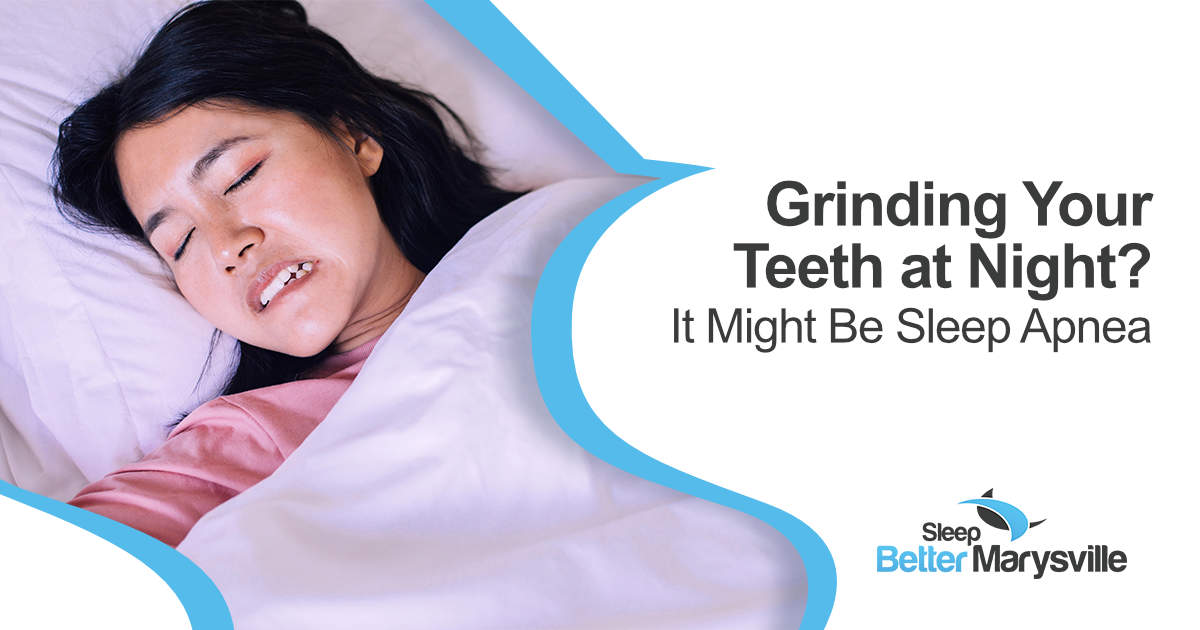
Many people assume that teeth grinding at night is simply caused by stress or anxiety, but that is not always the case. In some individuals, sleep apnea and teeth grinding may be a sign of an underlying sleep-related breathing disorder rather than a standalone dental issue. Recognizing this connection can help patients seek treatment that addresses the root cause rather than only managing symptoms.
Sleep-related breathing disorders often develop gradually, making them difficult to recognize without a proper evaluation. While some people notice worn teeth or morning jaw pain first, others experience loud snoring, excessive daytime fatigue, or frequent headaches before realizing something is wrong. Understanding how sleep apnea bruxism develops can lead to earlier diagnosis, improved sleep quality, and better overall health.
What Is Sleep Apnea Teeth Grinding?
Understanding Sleep Apnea Bruxism
Sleep apnea teeth grinding refers to nighttime grinding or clenching that occurs alongside obstructive sleep apnea (OSA). Sleep bruxism is a sleep-related movement disorder characterized by repetitive jaw muscle activity during sleep, while obstructive sleep apnea occurs when the airway repeatedly becomes partially or completely blocked. Although stress can contribute to teeth grinding, sleep-disordered breathing is another recognized cause that should not be overlooked.
When breathing repeatedly stops during sleep, the brain briefly awakens the body to restore airflow. These short awakenings, known as micro-arousals, can trigger jaw muscle activity that results in teeth grinding at night or jaw clenching while sleeping. In many cases, treating the airway obstruction may help reduce grinding episodes by addressing the underlying condition rather than simply protecting the teeth.
Many individuals are unaware they have obstructive sleep apnea because the breathing interruptions happen while they are asleep. Instead, they may first notice symptoms such as jaw soreness, worn teeth, or morning headaches. Recognizing the possibility of sleep-related bruxism associated with sleep apnea allows healthcare providers to recommend more comprehensive treatment.
How Are Sleep Apnea and Teeth Grinding Connected?
Obstructive sleep apnea causes the muscles in the throat to relax during sleep, allowing the airway to narrow or collapse repeatedly throughout the night. Each breathing interruption lowers oxygen levels and forces the brain to briefly wake the body to reopen the airway. These repeated disruptions prevent restorative sleep and place additional strain on the body.
Researchers believe that bruxism and sleep apnea are connected because jaw muscle activity often occurs immediately after these breathing interruptions. As the body attempts to restore normal airflow, the lower jaw may move forward or tighten, resulting in jaw clenching while sleeping and nighttime teeth grinding. This protective response may help reopen the airway, although it can also contribute to dental and jaw problems over time.
Not everyone with bruxism has obstructive sleep apnea, and not every patient with sleep apnea grinds their teeth. However, studies continue to support a significant association between these two conditions, particularly in individuals with moderate to severe airway obstruction. Identifying this relationship is important because treating the breathing disorder may also reduce grinding episodes.
Signs That Teeth Grinding at Night Could Be Related to Sleep Apnea
Nighttime teeth grinding associated with sleep apnea is often accompanied by other sleep-related symptoms. Rather than occurring alone, sleep apnea symptoms frequently develop together and create a pattern that points toward an underlying breathing disorder. Paying attention to these combined symptoms may help patients seek evaluation sooner.
Common signs that teeth grinding during sleep may be related to sleep apnea include:
- Loud or chronic snoring
- Witnessed pauses in breathing
- Gasping or choking during sleep
- Morning headaches
- Jaw pain or stiffness
- Tooth wear or cracked teeth
- Sensitive teeth
- Facial soreness
- Dry mouth upon waking
- Excessive daytime sleepiness
- Brain fog or poor concentration
- Irritability
Many people initially seek dental treatment because of tooth wear or jaw discomfort without realizing that a sleep disorder may be contributing to the problem. Others continue wearing a night guard while their daytime fatigue, snoring, and headaches persist because the underlying airway obstruction remains untreated. Looking at the complete symptom picture allows healthcare providers to determine whether sleep apnea should be investigated.
Health Risks of Untreated Sleep Apnea Bruxism
Dental and Jaw Complications
When sleep apnea bruxism goes untreated, repeated grinding places significant pressure on the teeth, jaw muscles, and temporomandibular joints (TMJ). Over time, this constant force can wear down tooth enamel, crack teeth, damage crowns or fillings, and contribute to gum recession. Many individuals also experience persistent jaw stiffness, facial pain, and TMJ discomfort that interferes with eating and speaking.
Although a night guard can reduce damage to the teeth, it does not eliminate the repeated muscle activity caused by untreated airway obstruction. As a result, patients may continue to wake with jaw pain, headaches, and fatigue despite protecting their teeth during sleep. Addressing the underlying breathing disorder offers a more comprehensive solution for long-term relief.
Whole-Body Health Risks
Untreated obstructive sleep apnea affects much more than oral health. Repeated reductions in oxygen levels place additional stress on the cardiovascular system and have been associated with high blood pressure, heart disease, stroke, and an increased risk of type 2 diabetes. Poor-quality sleep also contributes to chronic fatigue, reduced concentration, mood changes, and a lower quality of life.
Because the body never reaches consistently restorative sleep, patients often struggle with memory, productivity, and emotional well-being throughout the day. Some individuals also face a greater risk of workplace or driving accidents due to excessive daytime sleepiness. Identifying sleep apnea early can reduce these risks while improving both sleep quality and overall health.
How Sleep Apnea Teeth Grinding Is Diagnosed
Diagnosing sleep apnea and teeth grinding begins with a thorough review of a patient’s symptoms, medical history, and sleep habits. A healthcare provider may ask about loud snoring, witnessed breathing pauses, daytime fatigue, morning headaches, and jaw discomfort. Dentists may also identify abnormal tooth wear patterns that suggest ongoing nighttime grinding.
An oral examination helps evaluate jaw function, tooth damage, and other signs that may indicate obstructive sleep apnea and bruxism. If sleep apnea is suspected, additional testing such as a home sleep study or laboratory sleep study may be recommended to confirm the diagnosis. These evaluations measure breathing patterns, oxygen levels, and sleep quality throughout the night.
Collaboration between a sleep medicine provider and a dentist trained in dental sleep medicine allows patients to receive comprehensive care. Identifying whether airway obstruction contributes to grinding helps create a treatment plan that addresses the root cause rather than focusing only on dental symptoms. Early diagnosis often leads to better long-term outcomes.
Treatment Options for Sleep Apnea and Teeth Grinding
Oral Appliance Therapy
Oral appliance therapy is a conservative treatment option that helps keep the airway open by gently repositioning the lower jaw during sleep. This forward positioning reduces airway collapse and improves airflow, decreasing the breathing interruptions that often trigger nighttime grinding. Many patients experience improvements in both sleep quality and jaw discomfort after beginning treatment.
Unlike traditional night guards, custom oral appliances are designed to treat the airway rather than simply protect the teeth. By reducing airway obstruction, they may also decrease sleep apnea, teeth grinding, jaw clenching, and related TMJ symptoms. Many patients appreciate these appliances because they are compact, quiet, portable, and comfortable to wear.
Other Sleep Apnea Treatments
Treatment recommendations vary depending on the severity of obstructive sleep apnea and each patient’s individual needs. Some individuals benefit from continuous positive airway pressure (CPAP) therapy, while others may improve with weight management, positional therapy, lifestyle modifications, and better sleep hygiene. Healthcare providers develop personalized treatment plans based on comprehensive evaluation results.
Although CPAP remains an effective option for many people, some patients find it difficult to tolerate long-term. For appropriate candidates, oral appliance therapy provides an effective alternative that addresses airway obstruction while also helping reduce grinding episodes. Discussing available options with a qualified provider ensures patients receive treatment that best fits their needs.
When to Schedule a Sleep Apnea Evaluation
Persistent teeth grinding at night should not be ignored, particularly when it occurs alongside loud snoring, daytime fatigue, morning headaches, or waking up gasping for air. These symptoms may indicate an underlying sleep disorder that requires professional evaluation rather than continued symptom management alone. Early diagnosis can help prevent additional dental damage while improving long-term health.
If symptoms continue despite wearing a night guard, it may be time to explore whether obstructive sleep apnea is contributing to the problem. Learning more about sleep apnea treatment can help patients understand their options before undergoing a comprehensive evaluation. Identifying the underlying cause allows treatment to focus on improving breathing, sleep quality, and overall wellness.
Patients who seek evaluation early often experience meaningful improvements in energy levels, concentration, and quality of life after appropriate treatment begins. Rather than continuing to manage recurring symptoms, they gain a clearer understanding of what is disrupting their sleep each night. Addressing sleep apnea can provide lasting benefits for both oral health and general well-being.
Frequently Asked Questions About Sleep Apnea Teeth Grinding
Can sleep apnea cause teeth grinding?
Yes. Research suggests that obstructive sleep apnea can trigger jaw muscle activity after breathing interruptions, causing some people to grind or clench their teeth during sleep. While not everyone with sleep apnea develops bruxism, the two conditions are commonly associated.
Does everyone who grinds their teeth have sleep apnea?
No. Teeth grinding can also result from stress, anxiety, certain medications, or bite alignment issues. However, people who grind their teeth while also experiencing snoring, daytime fatigue, or morning headaches should consider a sleep evaluation.
Will a night guard stop sleep apnea teeth grinding?
A night guard protects the teeth from damage but does not treat airway obstruction or breathing interruptions. If sleep apnea is causing the grinding, treating the underlying sleep disorder is typically necessary to reduce grinding episodes.
Can oral appliance therapy help with bruxism?
Yes. When teeth grinding is related to obstructive sleep apnea, custom oral appliance therapy may reduce grinding by improving airflow and minimizing airway collapse. Many patients experience improvements in jaw discomfort and sleep quality after treatment.
When should someone seek treatment?
Anyone experiencing frequent nighttime teeth grinding, loud snoring, excessive daytime fatigue, morning headaches, jaw pain, or witnessed breathing pauses during sleep should consider a professional evaluation. Early diagnosis helps identify the underlying cause and supports more effective, personalized treatment.
Schedule a Sleep Apnea Evaluation at Sleep Better Marysville
Nighttime teeth grinding may be more than a dental concern, especially when it occurs alongside loud snoring, morning headaches, jaw pain, or persistent daytime fatigue. A comprehensive sleep evaluation can determine whether sleep apnea teeth grinding is related to obstructive sleep apnea and help identify the most appropriate treatment approach. Sleep Better Marysville provides personalized care, including oral appliance therapy for qualified patients, to help improve sleep quality, reduce grinding episodes, and support better long-term health.
 //Simplify chat widget