
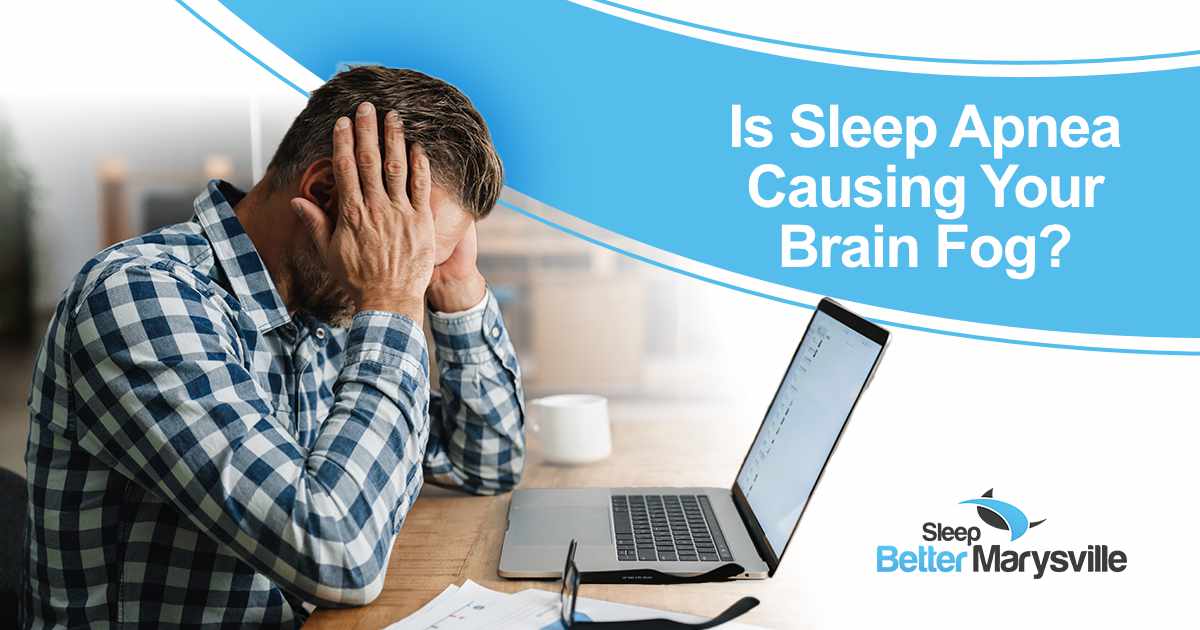
Persistent brain fog can make it difficult to stay focused, remember important details, or feel mentally alert throughout the day. While many people blame stress or a busy schedule, untreated sleep apnea may be an underlying cause. In some cases, the connection between sleep apnea and brain fog may explain why these symptoms continue despite getting what seems like enough sleep.
Obstructive sleep apnea (OSA) disrupts normal breathing throughout the night, preventing the brain from receiving the uninterrupted rest and oxygen it needs to function properly. Understanding how untreated sleep apnea affects cognitive function can help individuals recognize when professional evaluation may be necessary to improve both sleep quality and mental clarity.
Sleep Apnea and Brain Fog: Understanding the Connection
What Is Sleep Apnea?
In people with obstructive sleep apnea, the airway repeatedly becomes partially or fully blocked as the throat muscles relax during sleep. This can cause frequent interruptions in breathing throughout the night, often without the person being aware that they are waking briefly to resume normal breathing.
Each breathing interruption briefly wakes the body to restore airflow, disrupting healthy sleep cycles while reducing oxygen levels throughout the night. Although these awakenings are usually too brief to remember, they prevent restorative sleep and can contribute to numerous daytime symptoms, including brain fog from sleep apnea.
What Is Brain Fog?
Brain fog is not a medical diagnosis but rather a term used to describe a collection of cognitive symptoms that interfere with daily activities. Individuals experiencing brain fog often report difficulty concentrating, slower thinking, forgetfulness, mental fatigue, and reduced productivity.
Although brain fog can develop for many reasons, untreated sleep apnea is an often-overlooked cause. Because the symptoms develop gradually, many people assume they are simply aging, stressed, or overworked instead of recognizing the relationship between sleep apnea and brain fog.
How Sleep Apnea Affects the Brain
Repeated Drops in Oxygen Levels
The brain depends on a steady supply of oxygen to perform essential functions such as processing information, forming memories, and making decisions. During episodes of obstructive sleep apnea, airflow decreases or stops entirely, temporarily lowering oxygen levels in the bloodstream.
Over time, these repeated periods of reduced oxygen can affect cognitive function, slowing mental processing and making it more difficult to maintain attention throughout the day. Many individuals notice increased forgetfulness, difficulty solving problems, or reduced mental sharpness without realizing their sleep quality may be contributing to these changes.
Interrupted Sleep Prevents Brain Recovery
Healthy sleep consists of several stages, including deep sleep and rapid eye movement (REM) sleep. These stages allow the brain to recover, organize memories, regulate emotions, and prepare for the next day.
Sleep apnea repeatedly interrupts these restorative sleep cycles. Even if an individual remains asleep for seven or eight hours, frequent breathing interruptions prevent the brain from spending enough time in the deeper stages of sleep. As a result, people often wake feeling unrefreshed and experience persistent daytime fatigue, reduced concentration, and slower thinking.
Common Sleep Apnea Symptoms That May Accompany Brain Fog
Brain fog is only one of several symptoms associated with obstructive sleep apnea. Recognizing additional sleep apnea symptoms can help individuals determine whether their daytime cognitive concerns may be related to a sleep disorder rather than lifestyle factors alone.
Common symptoms include:
- Persistent, loud snoring
- Waking up gasping for air or choking
- Breathing pauses noticed by a bed partner
- Frequent morning headaches
- Ongoing daytime drowsiness
- Trouble staying focused
- Forgetfulness or memory difficulties
- Increased irritability or changes in mood
People experiencing brain fog from sleep apnea may also find themselves struggling with work performance, forgetting appointments, misplacing everyday items, or having difficulty staying engaged during conversations. These symptoms often worsen gradually, making them easy to overlook until they begin interfering with daily life.
Who Is Most at Risk for Sleep Apnea and Brain Fog?
Although anyone can develop obstructive sleep apnea, certain factors increase the likelihood of experiencing both sleep apnea and its associated cognitive symptoms.
Common risk factors include:
- Excess body weight
- Advancing age
- Family history of sleep apnea
- Naturally narrow airway anatomy
- Smoking
- Alcohol consumption before bedtime
- Sleeping on the back
- Certain medical conditions that affect breathing
Having one or more risk factors does not necessarily mean someone has sleep apnea. However, individuals experiencing persistent daytime fatigue, memory problems, or poor concentration should seek a professional evaluation instead of attempting to self-diagnose the cause of their symptoms.
Why Early Diagnosis Matters
Persistent brain fog should never be dismissed as an inevitable part of aging or simply the result of a hectic lifestyle. While stress and inadequate sleep can certainly affect concentration, untreated obstructive sleep apnea may continue to impair brain function until the underlying breathing disorder is addressed.
Over time, untreated sleep apnea may contribute to:
- Worsening cognitive function
- Chronic daytime fatigue
- Reduced work or academic performance
- Decreased quality of life
- Increased cardiovascular risk
- Metabolic health concerns
Early diagnosis allows healthcare providers to identify the cause of disrupted sleep and recommend appropriate treatment before symptoms become more severe. A professional sleep evaluation can determine whether sleep apnea is contributing to persistent brain fog and other daytime concerns.
Treatment Options That Can Improve Sleep and Mental Clarity
Treatment for obstructive sleep apnea depends on the severity of the condition and each patient’s individual needs. Improving nighttime breathing often leads to better sleep quality, increased energy, and noticeable improvements in concentration and mental clarity.
Oral Appliance Therapy
For patients with mild to moderate obstructive sleep apnea, oral appliance therapy provides a comfortable alternative to other treatment methods. The custom-designed device works by repositioning the lower jaw to support an open airway throughout the night.
By improving airflow and maintaining healthier oxygen levels during sleep, oral appliances may reduce breathing interruptions while allowing the brain to complete its natural restorative processes. Many patients notice improvements in daytime alertness, concentration, memory, and overall mental clarity after consistent treatment.
Other Sleep Apnea Treatments
Depending on individual circumstances, healthcare providers may recommend additional treatment options, including:
- Continuous positive airway pressure (CPAP) therapy
- Weight management when appropriate
- Healthy lifestyle modifications
- Positional therapy for certain patients
Learning more about sleep apnea treatment can help individuals understand which option may be most appropriate following a professional diagnosis. (Internal link to be inserted by publisher.)
Regardless of the recommended treatment, addressing sleep apnea early can significantly improve sleep quality while reducing many of the cognitive symptoms associated with disrupted breathing during sleep.
When Brain Fog May Be a Sign to Schedule a Sleep Evaluation
Occasional forgetfulness or mental fatigue is common, especially during periods of stress. However, persistent symptoms deserve closer attention, particularly when they occur alongside other signs of obstructive sleep apnea.
A professional sleep evaluation may be appropriate for individuals experiencing:
- Ongoing daytime fatigue
- Persistent difficulty concentrating
- Frequent memory problems
- Loud snoring
- Witnessed pauses in breathing during sleep
- Waking up feeling tired despite spending enough time in bed
Recognizing that persistent brain fog may be linked to untreated sleep apnea is often the first step toward improving both cognitive health and overall well-being. Addressing the underlying cause often leads to meaningful improvements in both daytime performance and overall well-being.
Schedule a Sleep Evaluation at Sleep Better Marysville
Persistent brain fog, memory problems, excessive daytime fatigue, or other sleep apnea symptoms should not be ignored. If interrupted breathing during sleep may be affecting cognitive function, scheduling a professional sleep evaluation can help identify the cause and determine the most appropriate treatment.
The team at Sleep Better Marysville provides personalized evaluations and treatment recommendations designed to improve sleep quality, support healthier breathing, and restore mental clarity. Taking the first step toward diagnosis may lead to better sleep, improved focus, and a healthier, more energized life.
 //Simplify chat widget