
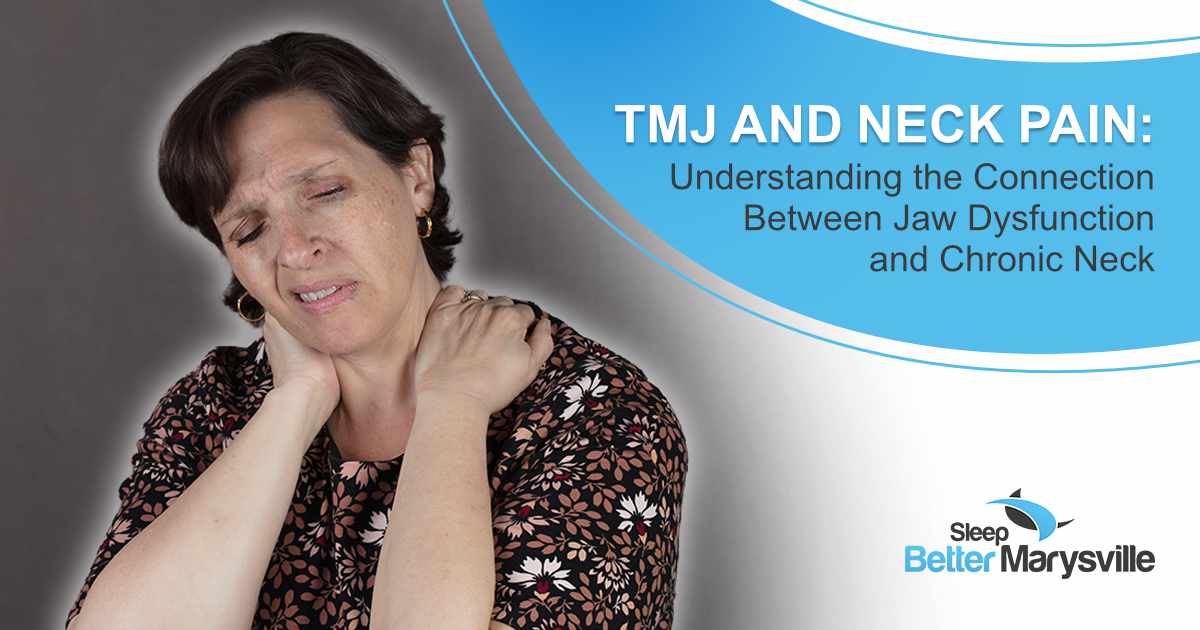
Neck pain is one of the most common musculoskeletal complaints among adults, but its underlying cause is not always located in the neck itself. While poor posture, muscle strain, and injuries are common contributors, jaw dysfunction can also play an important role in persistent neck discomfort. When the temporomandibular joints do not function properly, the surrounding muscles often compensate, increasing tension throughout the head, neck, and shoulders.
Because the jaw and neck work together during everyday activities such as chewing, speaking, and swallowing, problems affecting one area can influence the other. Understanding the relationship between TMJ and neck pain can help individuals recognize symptoms earlier and seek an evaluation that addresses the underlying cause rather than only the discomfort.
What Is TMJ and How Can It Cause Neck Pain?
The temporomandibular joints (TMJs) connect the lower jaw to the skull and allow smooth movement when talking, eating, chewing, and yawning. These joints work together with muscles, ligaments, and nerves that coordinate movement throughout the face, head, and neck. When these structures become irritated or do not move properly, temporomandibular joint disorder (TMD), often called TMJ disorder, may develop.
Although TMJ disorder is commonly associated with jaw pain, its effects often extend beyond the jaw itself. The muscles responsible for jaw movement are closely connected to those that stabilize the head and neck, creating an interconnected system that works together throughout the day. When jaw dysfunction changes normal movement patterns, nearby muscles may compensate by working harder than they should.
Over time, this extra workload can contribute to chronic muscle tension, neck stiffness, headaches, and reduced range of motion. Many people experiencing TMJ neck pain initially believe their discomfort originates solely from the neck, making it easy to overlook the jaw as a contributing factor. Recognizing this relationship is often the first step toward identifying the source of persistent symptoms.
Common Symptoms of TMJ and Neck Pain
Jaw Pain, Clicking, and Difficulty Chewing
TMJ disorder often begins with symptoms affecting the jaw itself. Individuals may notice soreness near the jaw joint, tenderness while chewing, or clicking and popping sounds when opening or closing the mouth. These symptoms may appear occasionally at first before becoming more frequent over time.
Some people also experience facial fatigue after eating or speaking for extended periods. Limited jaw movement, stiffness, or difficulty opening the mouth fully may develop as the muscles surrounding the temporomandibular joints become increasingly tight. Morning jaw soreness may also occur, particularly in people who clench or grind their teeth while sleeping.
Chronic Neck Stiffness and Muscle Tension
Persistent neck stiffness is one of the most overlooked symptoms associated with TMJ disorder. As the muscles supporting the jaw compensate for altered joint movement, tension can gradually spread into the neck, reducing flexibility and making everyday movements uncomfortable. Turning the head or maintaining proper posture for long periods may become increasingly difficult.
Many individuals notice that neck discomfort feels worse after stressful days or when waking in the morning. Ongoing muscle tension can also reduce the neck’s range of motion, making simple activities such as driving, working at a computer, or exercising more uncomfortable than usual.
Headaches, Shoulder Pain, and Other Related Symptoms
The effects of jaw dysfunction frequently extend beyond the jaw and neck. Tension headaches, ear discomfort, facial pain, and soreness around the temples commonly occur because the muscles involved in jaw movement are continually working harder than normal. These symptoms may become more noticeable during periods of stress or prolonged jaw clenching.
Muscle tension can also spread into the shoulders and upper back through connected muscle groups. As compensation patterns continue, individuals may experience shoulder tightness, upper back discomfort, and generalized muscle fatigue without realizing that jaw dysfunction may be contributing to these symptoms.
Why TMJ Dysfunction Can Lead to Chronic Neck Pain
Shared Muscles and Connected Anatomy
The jaw, neck, and shoulders function as part of a coordinated muscular system rather than as separate structures. The muscles responsible for chewing and jaw movement work closely with those that support the head and cervical spine, allowing smooth movement throughout the upper body. When the temporomandibular joints do not function efficiently, surrounding muscles often compensate to maintain stability.
These chronic compensation patterns can place excessive strain on the neck muscles over time. Rather than allowing the affected jaw muscles to recover, neighboring muscles continue working harder to support everyday activities, increasing fatigue and discomfort throughout the upper body.
Changes in Head and Neck Posture
Jaw dysfunction can gradually influence posture without individuals realizing it. To avoid discomfort while chewing or speaking, some people unconsciously shift the position of their head or neck, creating subtle changes that alter normal alignment. Although these adjustments may temporarily reduce jaw discomfort, they often increase stress on the cervical spine and surrounding muscles.
Forward head posture is one common example of this compensation. As the head moves farther in front of the shoulders, the muscles supporting the neck must work harder to maintain balance, increasing muscle tension and contributing to ongoing stiffness and discomfort.
Referred Pain and Muscle Compensation
TMJ disorder can also produce referred pain, meaning discomfort is felt in an area different from its actual source. Rather than feeling pain only around the jaw joint, individuals may notice soreness in the neck, shoulders, face, or even around the ears. This often makes identifying the true cause of symptoms more challenging.
Because the body’s muscles function as an interconnected chain, tension originating in the jaw can spread through neighboring muscle groups. Without recognizing these relationships, many people continue treating neck symptoms while the underlying jaw dysfunction remains unaddressed.
What Causes TMJ Neck Pain?
Several factors can contribute to TMJ disorder and the muscle tension associated with chronic neck pain. In many cases, symptoms develop gradually as the temporomandibular joints and surrounding muscles experience repeated stress over time. Identifying these contributing factors can help guide a more accurate diagnosis and appropriate treatment plan.
One of the most common causes is bruxism, or teeth grinding, which often occurs during sleep. Repeated grinding places excessive pressure on the temporomandibular joints and overworks the muscles responsible for jaw movement, increasing the likelihood of jaw pain, headaches, and neck stiffness. Many people are unaware that they grind their teeth until symptoms begin affecting their daily comfort.
Jaw clenching is another frequent contributor to TMJ neck pain. Some individuals clench their jaws during stressful situations or while concentrating, creating continuous muscle contraction throughout the face, jaw, and neck. When this habit becomes chronic, the muscles have little opportunity to relax, leading to ongoing muscle tension and soreness.
Stress itself can also play a significant role in TMJ disorder. Emotional stress often causes unconscious jaw tightening, increased muscle activity, and poor sleeping habits that further aggravate the temporomandibular joints. As muscle tension builds over time, discomfort may spread into the neck, shoulders, and upper back.
Structural issues may also contribute to jaw dysfunction. Bite misalignment, previous jaw injuries, arthritis affecting the temporomandibular joints, joint inflammation, and muscle overuse can all interfere with normal jaw mechanics. These conditions may alter how the jaw moves, forcing surrounding muscles to compensate and increasing strain throughout the upper body.
Although these factors vary from person to person, they often work together rather than occurring independently. A comprehensive TMJ evaluation can help determine which contributing factors are most likely influencing an individual’s symptoms and guide recommendations for conservative care.
Why Neck Pain Treatments May Not Solve the Underlying Problem
Physical Therapy May Relieve Symptoms but Not the Source
Physical therapy is often recommended for individuals experiencing chronic neck pain because it can improve flexibility, strengthen muscles, and reduce discomfort. Many people experience meaningful short-term relief through stretching, strengthening exercises, and manual therapy techniques. However, symptoms may continue returning if jaw dysfunction remains the underlying source of muscle tension.
When the temporomandibular joints continue to place abnormal stress on surrounding muscles, improvements in the neck alone may not provide lasting relief. The muscles may simply return to their previous compensation patterns after treatment, creating a frustrating cycle of recurring stiffness and soreness.
Chiropractic Care May Improve Mobility Without Correcting TMJ Dysfunction
Chiropractic care may also help improve joint mobility and temporarily reduce muscle tightness. Spinal adjustments can support normal movement throughout the cervical spine and may relieve discomfort for some individuals experiencing neck stiffness. However, if abnormal jaw mechanics continue influencing posture and muscle activity, symptoms may gradually return.
This does not mean chiropractic treatment is ineffective. Instead, it highlights the importance of identifying every factor contributing to persistent discomfort rather than focusing exclusively on the neck.
Why Accurate Diagnosis Matters
Because TMJ disorder can mimic several other conditions, obtaining an accurate diagnosis is an important step toward effective care. A comprehensive evaluation looks beyond the location of pain and considers how the jaw, muscles, joints, and posture work together as an interconnected system. This broader perspective can reveal contributing factors that may otherwise go unnoticed.
Healthcare providers evaluating TMJ-related symptoms may assess jaw movement, muscle tenderness, posture, bite function, and symptom history to better understand the source of discomfort. Identifying whether jaw dysfunction is contributing to chronic neck pain allows treatment recommendations to address the underlying cause rather than only managing recurring symptoms.
Conservative TMJ Treatment Options for Jaw and Neck Pain
Treatment for TMJ disorder often begins with conservative approaches designed to reduce strain on the temporomandibular joints while improving muscle function. Because every individual experiences different contributing factors, recommendations are typically personalized based on the results of a comprehensive TMJ evaluation.
For some individuals, oral appliance therapy may be recommended to help reduce excessive pressure on the jaw joints during sleep. These custom-made appliances may help minimize teeth grinding and jaw clenching, allowing the muscles supporting the jaw and neck to relax more effectively overnight. Lifestyle modifications, stress management strategies, and improved sleep habits may also support symptom relief by reducing unnecessary muscle tension.
Healthcare providers may also recommend jaw exercises or stretching techniques when appropriate. These exercises are intended to improve jaw mobility, promote healthier movement patterns, and reduce muscle tightness without placing additional stress on the joints. When needed, coordinated care with other healthcare professionals may also help address contributing factors affecting the neck and surrounding muscles.
Individuals interested in learning more about available TMJ treatment options can benefit from a professional evaluation that considers the relationship between jaw function, muscle tension, and chronic neck discomfort. Understanding the underlying cause is often the first step toward developing an individualized treatment plan that supports long-term comfort and improved jaw function.
When to Seek Professional Evaluation for TMJ and Neck Pain
Occasional jaw soreness or mild neck stiffness may resolve without treatment, but persistent or recurring symptoms should not be ignored. Chronic discomfort that continues despite rest or conservative neck care may indicate that the temporomandibular joints are contributing to the problem. Recognizing these warning signs early can help prevent symptoms from becoming more disruptive over time.
Individuals experiencing persistent neck pain, recurring headaches, jaw clicking, difficulty chewing, limited jaw movement, morning jaw soreness, or ongoing shoulder tension may benefit from a comprehensive TMJ evaluation. These symptoms often occur together because the muscles responsible for jaw movement also support the head, neck, and upper shoulders. Identifying whether TMJ dysfunction is involved can provide valuable insight into the source of ongoing discomfort.
A thorough evaluation helps determine whether jaw dysfunction is contributing to muscle tension, referred pain, and reduced range of motion. By identifying the root cause rather than focusing only on symptoms, healthcare providers can recommend conservative treatment options tailored to each individual’s specific needs.
Schedule a TMJ Evaluation at Sleep Better Marysville
Persistent jaw pain, chronic neck stiffness, recurring headaches, and ongoing shoulder tension can affect daily comfort and quality of life. If these symptoms continue without a clear explanation, a comprehensive TMJ evaluation may help determine whether jaw dysfunction is contributing to the problem.
Sleep Better Marysville provides comprehensive TMJ evaluations designed to identify the underlying causes of jaw and neck discomfort and recommend conservative treatment options based on each patient’s unique needs. Contact Sleep Better Marysville today to schedule an evaluation and learn whether TMJ dysfunction may be contributing to your chronic neck pain and related symptoms.
 //Simplify chat widget