Sleep Apnea Treatment Overview
Sleep apnea is a sleep-related breathing disorder characterized by repeated interruptions in airflow during sleep. These interruptions can reduce oxygen levels and disrupt normal sleep cycles, contributing to daytime fatigue and long-term health concerns. Management of sleep apnea typically involves clinical evaluation and individualized treatment planning based on severity, symptoms, and patient-specific factors.
Sleep Better Marysville provides clinical services focused on the evaluation and management of sleep-disordered breathing, including the use of oral appliance therapy and other noninvasive treatment approaches.
What Is Sleep Apnea?
Sleep apnea is a chronic sleep disorder that occurs when the airway becomes partially or fully obstructed during sleep or when the brain fails to send proper signals to the muscles responsible for breathing. Common consequences of untreated sleep apnea include excessive daytime sleepiness, cardiovascular strain, and impaired cognitive function.
Noninvasive treatment options, including oral appliances, are commonly used for individuals with mild to moderate obstructive sleep apnea or for those who have difficulty tolerating other therapies. These devices are designed to support airway patency and reduce breathing disruptions during sleep.
Understanding the available treatment options is an important part of managing sleep apnea and minimizing associated health risks.
Importance of Treating Sleep Apnea
Clinical management of sleep apnea plays an important role in supporting overall health. Untreated sleep apnea has been associated with conditions such as hypertension, heart disease, stroke, metabolic disorders, and neurocognitive impairment.
Effective treatment may improve sleep quality, daytime alertness, and reduce the likelihood of long-term complications. Educational resources discussing the health impacts of untreated sleep apnea are available through related clinical blog content.
Sleep Apnea Management and Treatment Approaches
Management strategies for sleep apnea vary depending on diagnosis and severity. Treatment options may include positive airway pressure therapy, oral appliance therapy, lifestyle modifications, or a combination of approaches.
Sleep Better Marysville focuses on oral appliance therapy as a noninvasive treatment option that may be appropriate for certain patients following clinical evaluation.
Sleep Apnea Machines
Continuous Positive Airway Pressure (CPAP) and Bi-Level Positive Airway Pressure (BiPAP) machines are commonly prescribed for moderate to severe sleep apnea. These devices deliver pressurized air through a mask to help keep the airway open during sleep.
Some individuals experience challenges with long-term use of CPAP or BiPAP therapy, including discomfort, mask fit issues, or difficulty maintaining consistent use. In such cases, alternative treatment approaches may be considered based on clinical findings.
Educational resources related to CPAP therapy include:
Oral Appliances for Sleep Apnea
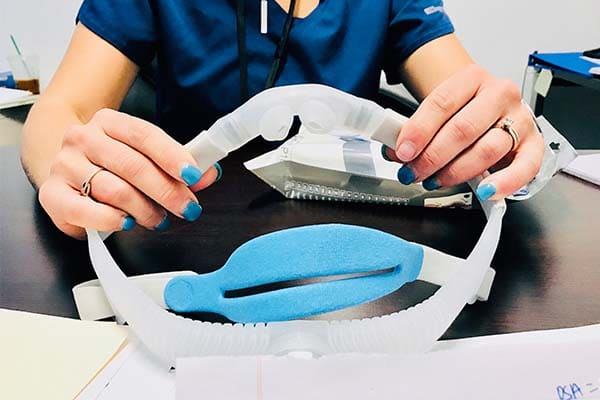
Oral appliance therapy is a noninvasive treatment option used primarily for obstructive sleep apnea. These custom-fitted devices are worn during sleep and function by repositioning the jaw and tongue to help maintain an open airway.
Oral appliances may be considered for individuals with mild to moderate obstructive sleep apnea or for those who are unable to tolerate positive airway pressure therapy. Proper fitting, follow-up, and monitoring are important components of effective oral appliance therapy.
Sleep Better Marysville provides clinical oversight for oral appliance therapy as part of a comprehensive sleep apnea management approach.

Educational resources include:
Selecting an Appropriate Sleep Apnea Treatment
Choosing a sleep apnea treatment approach involves evaluating individual symptoms, medical history, sleep study results, and personal tolerance for different therapies. Treatment planning typically includes a review of available options and consideration of long-term management goals.
Clinical evaluation helps determine which therapies may be appropriate and how treatment effectiveness can be monitored over time.
Evaluation by a Sleep Apnea Specialist
Assessment by a sleep apnea specialist generally includes a review of symptoms, medical history, prior treatments, and diagnostic testing results. This evaluation supports the identification of suitable treatment options and helps guide ongoing management strategies.
Follow-up assessments may be used to evaluate treatment effectiveness and adjust therapy as needed.
Sleep Apnea Treatment: Frequently Asked Questions
What should I do if I think I have sleep apnea?
Individuals who experience symptoms such as loud snoring, daytime sleepiness, or breathing interruptions during sleep may benefit from a clinical evaluation. Diagnosis typically involves a medical assessment and may include a sleep study to confirm the presence and severity of sleep apnea.
What are the signs of sleep apnea?
Common signs of sleep apnea include loud or chronic snoring, pauses in breathing during sleep, gasping or choking at night, unrefreshing sleep, morning headaches, and daytime fatigue. Symptoms may vary depending on the type and severity of the condition.
How is sleep apnea diagnosed?
Diagnosis usually involves a comprehensive medical evaluation and a sleep study. Sleep studies may be conducted in a clinical sleep laboratory or at home using portable monitoring equipment. These studies measure breathing patterns, oxygen levels, airflow, and sleep stages to determine whether sleep apnea is present and to assess its severity.
How does oral appliance therapy work?
Oral appliance therapy involves the use of a custom-fitted dental device worn during sleep. The appliance repositions the jaw or tongue to reduce airway obstruction and support normal breathing. Treatment effectiveness is typically monitored through follow-up assessments and, in some cases, repeat sleep testing.
What are the benefits of oral appliances for sleep apnea?
Oral appliances are noninvasive, compact, and generally easier to travel with than traditional sleep apnea machines. They may be suitable for individuals who have difficulty tolerating CPAP therapy. Clinical outcomes vary depending on patient anatomy and severity of sleep apnea.
Educational comparisons include:
How can I determine whether an oral appliance is appropriate?
Suitability for oral appliance therapy is typically determined through clinical evaluation and diagnostic testing. Individuals who experience difficulty using positive airway pressure therapy may be evaluated for alternative treatment options based on clinical guidelines and research findings.
What can I expect during an evaluation with a sleep apnea specialist?
An evaluation typically includes a review of symptoms, medical and dental history, prior treatments, and diagnostic results. The sleep apnea specialist may discuss available treatment options, potential benefits, and limitations based on individual findings.
How can sleep apnea risk be reduced?
While not all risk factors are preventable, certain lifestyle measures may help reduce sleep apnea severity. These may include weight management, limiting alcohol or sedative use, positional sleep adjustments, and maintaining regular sleep habits. Educational guides are available that discuss preventive strategies and risk reduction in more detail.
 //Simplify chat widget